Travelling is one of life’s greatest joys. Exploring new destinations, trying local food, meeting different people, and creating unforgettable memories can make every trip special. But while most journeys are filled with exciting experiences, some travellers end up facing situations they never expected. Unfortunately, scammers often target tourists because they are unfamiliar with local rules, prices, and customs. A small mistake can sometimes lead to losing money, wasting valuable vacation time, or even putting personal safety at risk. The good news? Most scams can be avoided if you know what to look out for. In this guide, we’ll discuss the most common travel scams tourists often fall for and simple ways to protect yourself during your next adventure.
Why Tourists Become Easy Targets

Before discussing specific scams, it’s important to understand why tourists are often targeted.
When travelling, people are usually:
- Excited and distracted
- Unfamiliar with local surroundings
- Carrying cash, passports, and valuables
- Looking for directions or transportation
- Trusting strangers more than usual
Scammers know this and use clever tricks to take advantage of unsuspecting visitors.
1. The Fake Taxi Scam
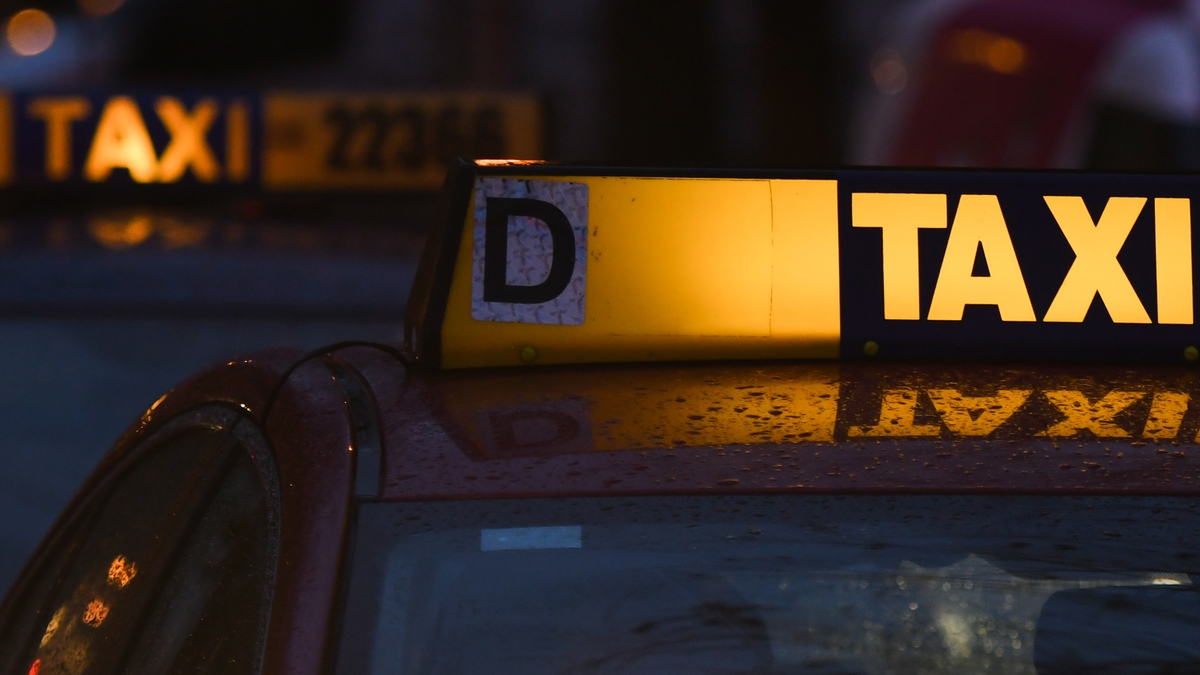
One of the most common travel scams tourists often fall for happens right after arriving at an airport, railway station, or bus terminal.
A driver approaches you and offers a ride at a “special price.” Once the journey begins, the fare suddenly increases, or the driver takes a longer route to charge more.
How to Avoid It
- Use official taxi counters.
- Book rides through trusted ride-hailing apps.
- Confirm the fare before starting the trip.
- Check whether the taxi meter is working.
2. The Closed Attraction Trick
Imagine reaching a famous attraction only to be told by a stranger that it’s closed for the day. The person then recommends another shop, market, or attraction instead.
In reality, the original attraction is often open, and the scammer earns a commission by directing tourists elsewhere.
How to Avoid It
- Verify information from official sources.
- Check attraction timings online beforehand.
- Avoid making quick decisions based on random advice from strangers.
3. The Friendship Bracelet Scam
This scam is common in crowded tourist areas.
A friendly person approaches you, starts a conversation, and suddenly ties a bracelet around your wrist or places a flower in your hand. They then demand payment and create pressure until you pay.
Many visitors feel uncomfortable and hand over money just to avoid confrontation.
How to Avoid It
- Politely decline unwanted gifts.
- Keep walking if someone approaches aggressively.
- Remember that genuine gifts do not come with payment demands.
4. Fake Tour Guides

Many travellers want local experiences, making them vulnerable to fake guides.
These individuals claim to be licensed guides and offer cheap tours. However, they may provide incorrect information, take you to overpriced shops, or disappear after receiving payment.
This is another example of travel scams tourists often fall for when trying to save money.
How to Avoid It
- Book tours through verified operators.
- Ask for identification or certification.
- Read reviews before booking any guided experience.
5. Currency Exchange Scams

Money exchange scams can quickly ruin a travel budget.
Some exchange counters advertise attractive rates but charge hidden fees. Others may deliberately count money incorrectly or provide counterfeit notes.
How to Avoid It
- Use authorized currency exchange centres.
- Count your money carefully before leaving.
- Avoid exchanging currency on the street.
- Check current exchange rates in advance.
6. Pickpocket Distractions
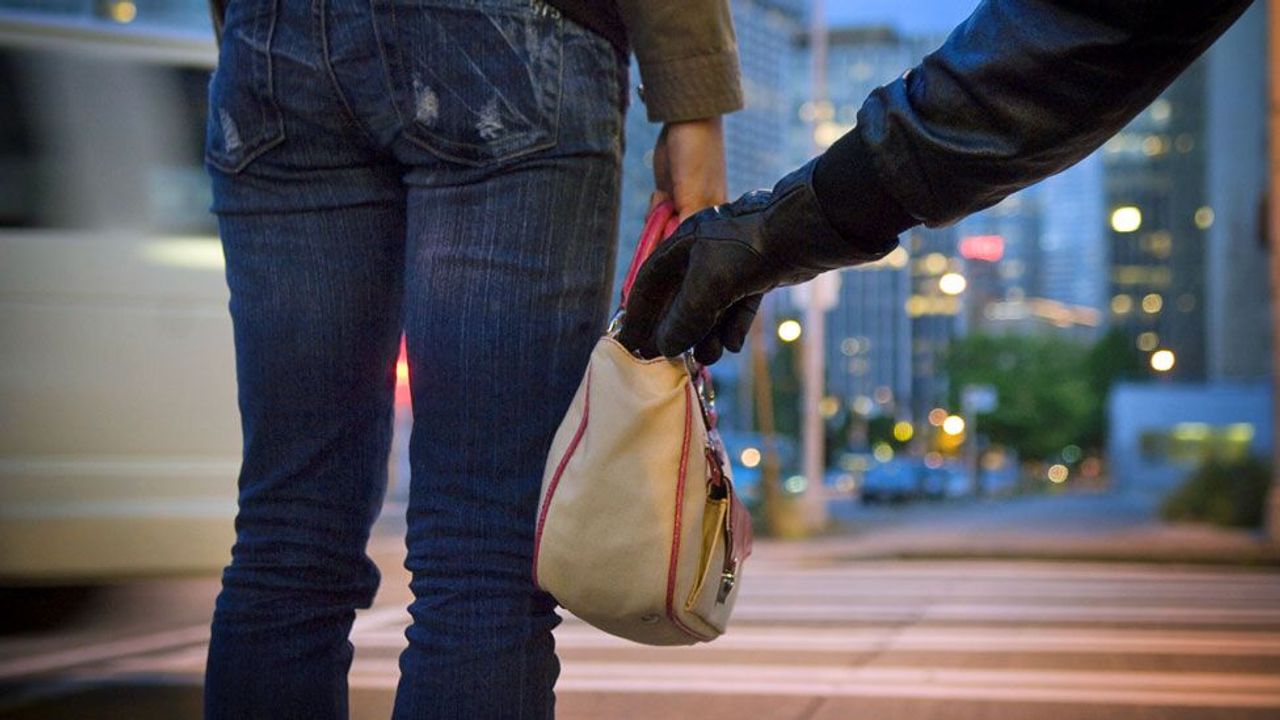
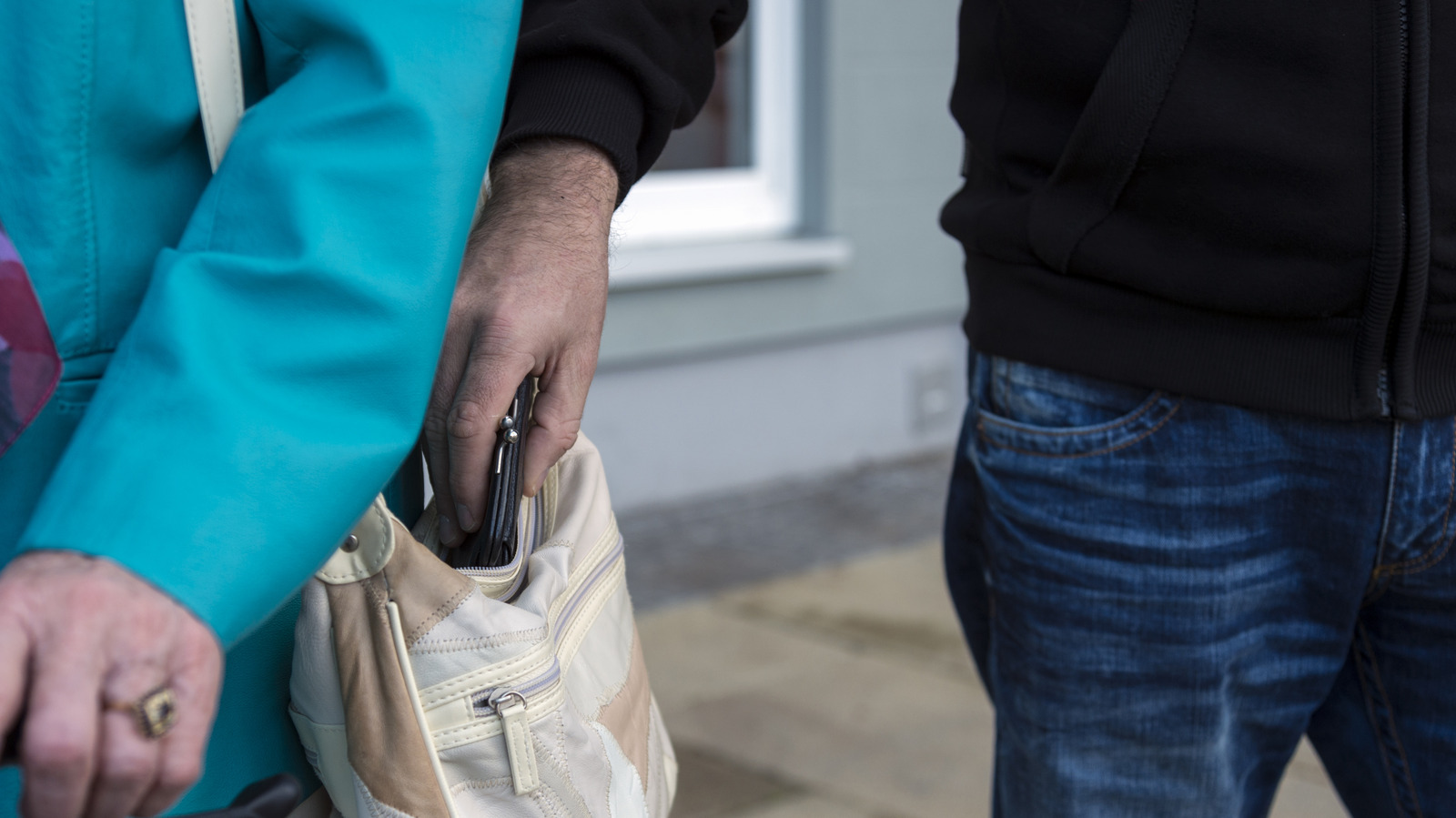
Pickpockets often work in teams. One person may spill something on your clothes, ask for directions, or create a scene while another steals your wallet or phone.
Among all travel scams tourists often fall for, this remains one of the most widespread worldwide.
How to Avoid It
- Use anti-theft bags.
- Keep valuables in front pockets.
- Stay alert in crowded places.
- Avoid carrying large amounts of cash.
7. Free Wi-Fi Traps

Free internet sounds convenient, but some scammers create fake public Wi-Fi networks that steal personal information.
Once connected, your passwords, banking details, and personal data could be at risk.
How to Avoid It
- Use trusted networks only.
- Avoid online banking on public Wi-Fi.
- Use a VPN whenever possible.
- Double-check network names before connecting.
8. Hotel Booking Scams
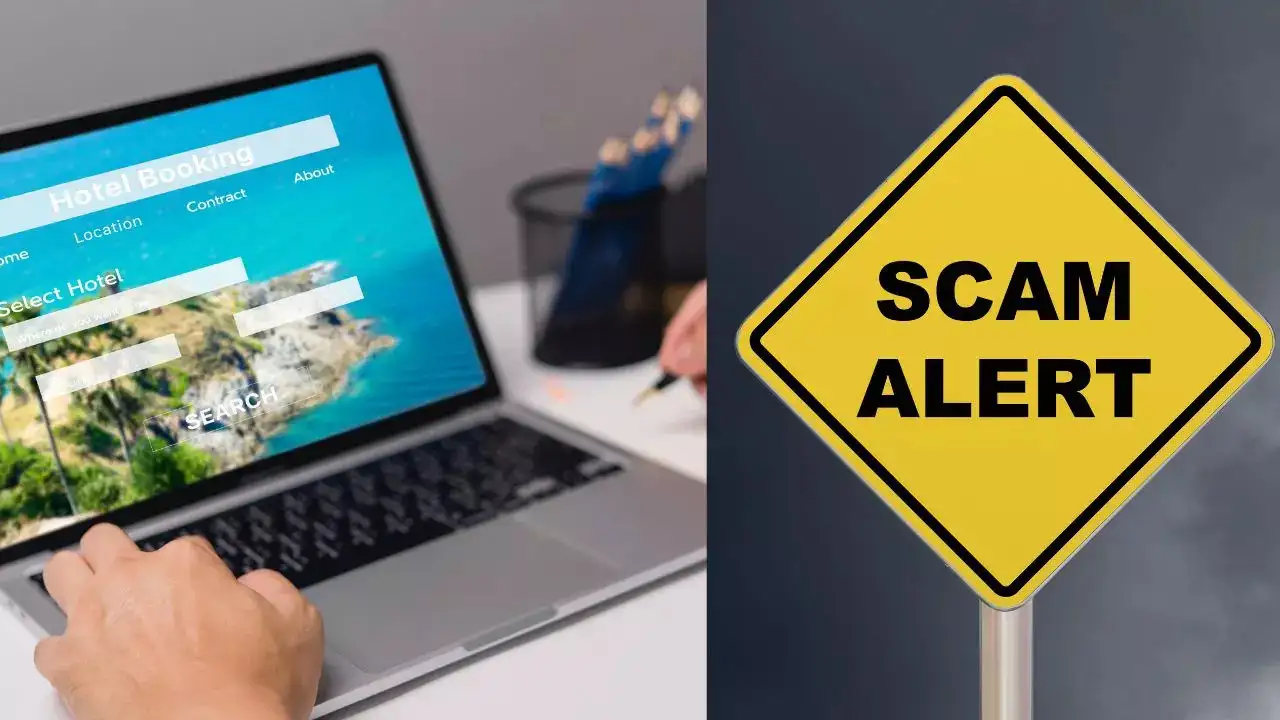
Sometimes travellers arrive at their destination only to discover that their hotel booking doesn’t exist.
Fake websites often copy real hotel listings and offer unbelievable discounts to attract customers.
How to Avoid It
- Book through reputable travel platforms.
- Read customer reviews carefully.
- Confirm reservations directly with the hotel.
- Be cautious of deals that seem too good to be true.
9. ATM Card Skimming

Scammers may install hidden devices on ATMs to copy card information. Small cameras can also record PIN numbers.
This scam can lead to unauthorized withdrawals from your account.
How to Avoid It
- Use ATMs inside banks whenever possible.
- Check the card slot for unusual attachments.
- Cover the keypad while entering your PIN.
- Monitor your bank account regularly.
10. Fake Police Officers
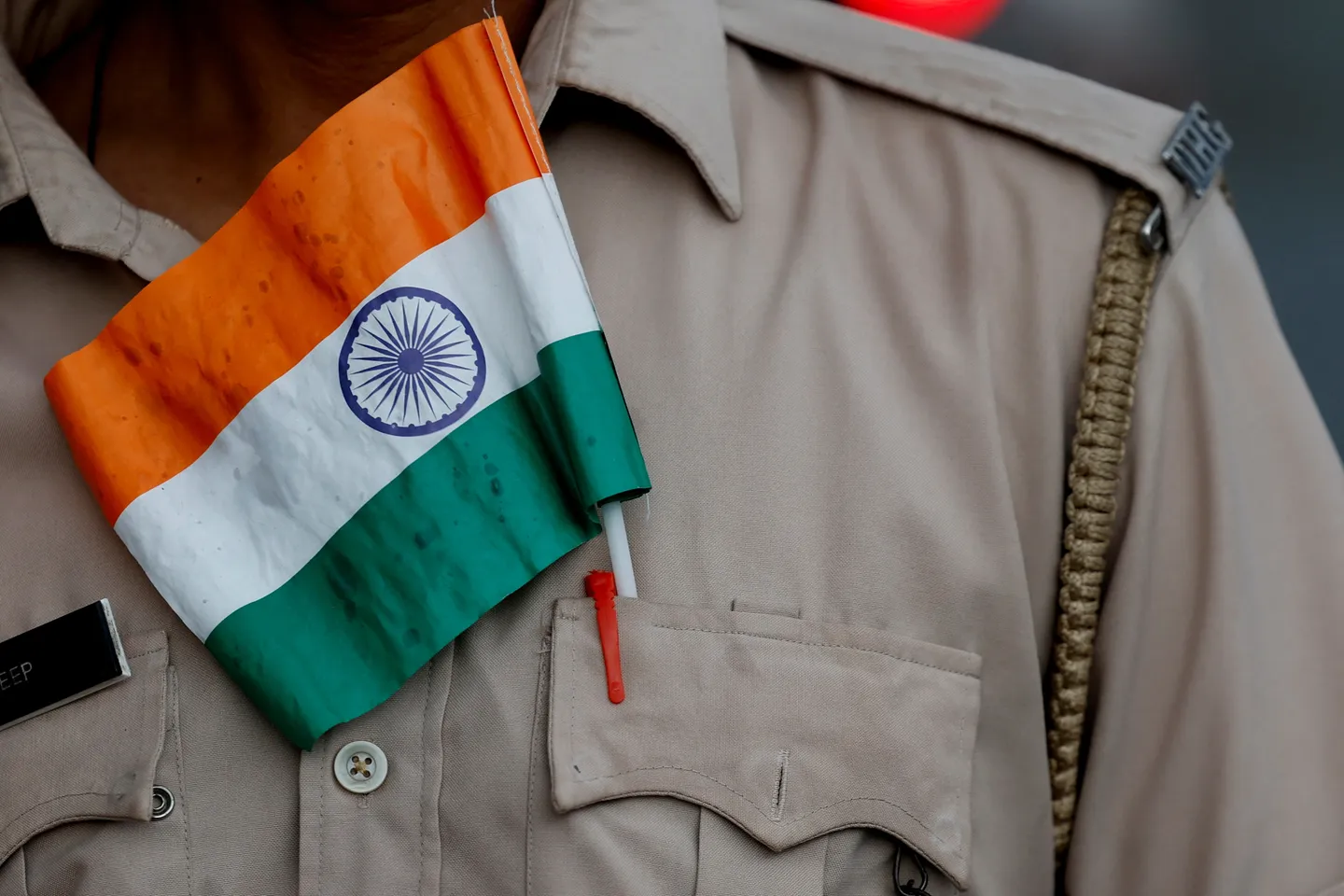
In some destinations, scammers pretend to be police officers and ask tourists to show identification or wallets.
They may claim there’s an investigation or issue with your documents.
How to Avoid It
- Ask for official identification.
- Request to visit the nearest police station.
- Never hand over cash on the spot.
- Carry photocopies of important documents.
General Safety Tips Every Traveller Should Follow

Besides avoiding specific scams, these habits can help you stay safe:
- Research Before You Travel: Learn about common scams in your destination before departure.
- Keep Digital Copies: Store copies of passports, visas, travel insurance, and important documents online.
- Share Your Itinerary: Let family or friends know your travel plans.
- Trust Your Instincts: If something feels suspicious, it probably is.
- Stay Alert: Being aware of your surroundings is often the best defense against travel scams tourists often fall for.