Planning your first international trip? One of the biggest questions every traveller asks is whether to carry cash or use a Forex card. Both options help you spend money abroad, but they work differently. Choosing the right one can save you thousands of rupees during your trip. If you are confused about Currency Exchange vs Forex Card, don’t worry. This guide explains everything in simple language so you can make the best decision for your next vacation, business trip, or study abroad journey.
What is Currency Exchange?
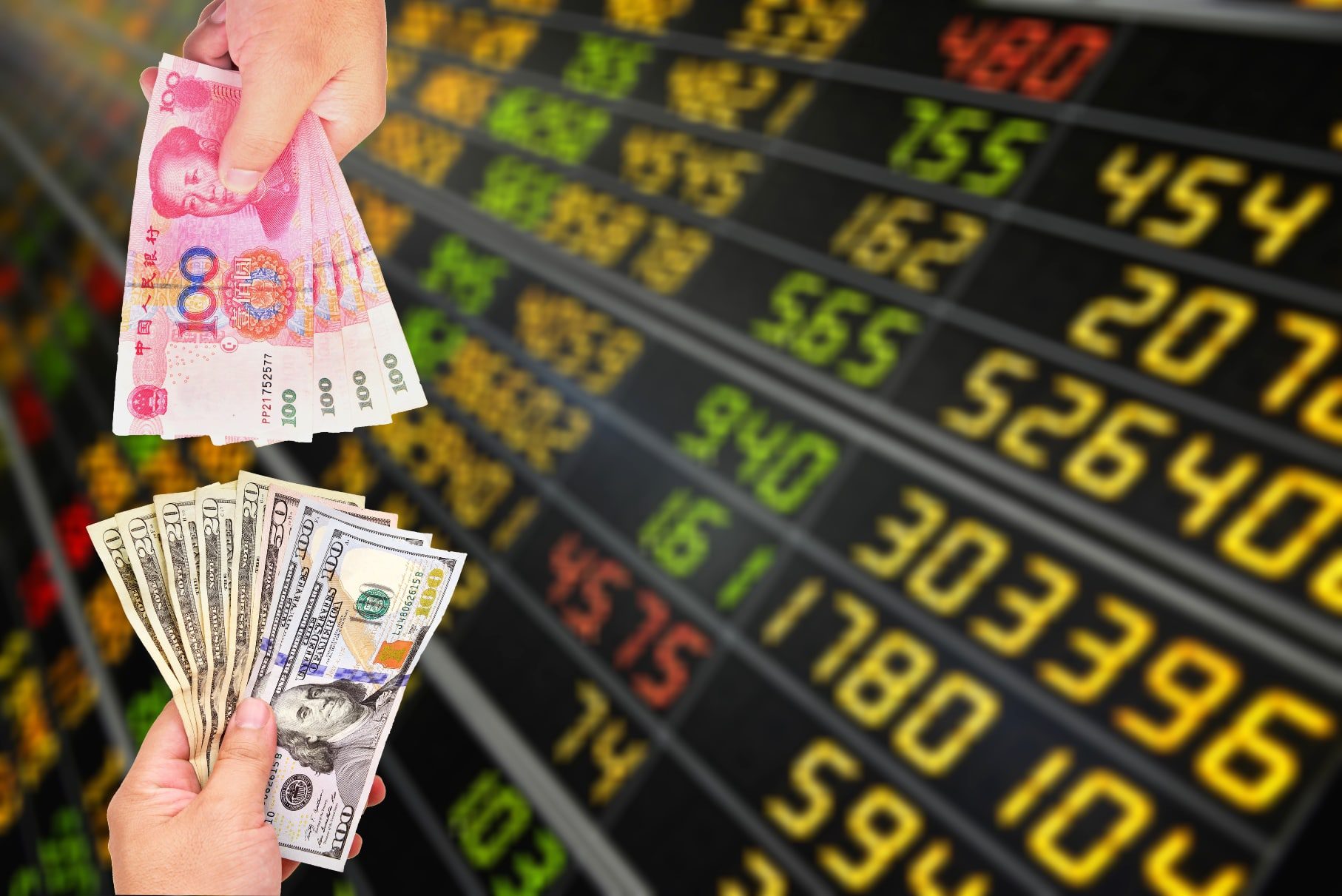
Currency exchange simply means converting Indian Rupees (INR) into the local currency of the country you are visiting. For example, if you are travelling to Thailand, you exchange INR for Thai Baht. If you are visiting Europe, you exchange INR for Euros.
You receive physical cash, which you can use for shopping, taxis, local markets, tips, or places where cards are not accepted.
Benefits of Currency Exchange
- Easy to understand and use.
- Accepted almost everywhere.
- Useful for small purchases.
- Helpful during emergencies.
- No need for internet or machines to use cash.
Drawbacks of Currency Exchange
- Carrying large amounts of cash is risky.
- Lost or stolen cash is usually gone forever.
- Exchange rates may change every day.
- You may pay higher rates if you exchange money at airports.
What is a Forex Card?

A Forex card is a prepaid travel card that lets you load foreign currency before your trip. You can swipe it at shops, restaurants, hotels, and even withdraw cash from ATMs in many countries.
The biggest advantage is that you load money at the current exchange rate before travelling. This protects you from future currency fluctuations.
Benefits of a Forex Card
- Safer than carrying lots of cash.
- Easy to block if lost.
- Accepted at millions of merchants worldwide.
- Better exchange rates compared to many debit or credit cards.
- Helps you manage your travel budget.
Drawbacks of a Forex Card
- Some ATMs may charge withdrawal fees.
- Small inactivity or reload charges may apply.
- Not every street vendor accepts cards.
- You still need some local cash for small expenses.
Currency Exchange vs Forex Card: Which One Saves More Money?
When comparing Currency Exchange vs Forex Card, the answer depends on how you travel.
1. Exchange Rates
Forex cards usually offer better exchange rates because you can lock in the rate before travelling. This protects you if the currency becomes more expensive later.
Currency exchange rates may vary from one day to another. If the currency value rises after you reach your destination, you may end up spending more.
2. Safety
Carrying too much cash always comes with a risk. If your wallet is lost or stolen, recovering cash is nearly impossible.
A Forex card is much safer because it can be blocked and replaced if lost.
3. Convenience
Cash is useful for local markets, taxis, and small shops.
A Forex card is more convenient for hotels, shopping malls, restaurants, and online bookings.
4. Budget Control
A Forex card allows you to preload a fixed amount. This helps you avoid overspending and keeps your travel budget under control.
With cash, it’s easier to spend without keeping track.
When Should You Choose Currency Exchange?

Currency exchange is a better choice if:
- You are visiting a country for a very short trip.
- You only need money for local transport and small purchases.
- You are travelling to places where card acceptance is limited.
- You want cash for emergencies.
When Should You Choose a Forex Card?

A Forex card is ideal if:
- You are travelling for several days or weeks.
- You plan to shop internationally.
- You are travelling with family.
- You are a student studying abroad.
- You frequently travel overseas.
- You want better security and exchange rates.
The Smartest Option? Use Both

Instead of choosing only one, many experienced travellers use both.
Carry a small amount of local cash for taxis, street food, tips, and local markets. Keep most of your travel money on a Forex card for hotels, restaurants, shopping, and larger expenses.
This combination gives you convenience, safety, and better money management throughout your trip.
Tips to Save More Money While Travelling
- Compare exchange rates before buying foreign currency.
- Avoid exchanging money at airports unless necessary.
- Load your Forex card before exchange rates increase.
- Inform your bank before travelling abroad.
- Keep emergency cash separately.
- Always check for hidden charges before choosing a Forex card.
Following these simple tips can help you save money and avoid unnecessary travel expenses.