Travelling abroad sounds exciting, but the thought of expensive flights, hotels, food and sightseeing can make many people postpone their dream trip. The good news is that you do not always need a huge travel budget to enjoy another country. With the right planning, smart choices and a little flexibility, you can have an international trip on a budget while still enjoying local food, beautiful places, exciting experiences and memorable moments.
The secret is simple. Spend more on what matters to you and save on things that do not.
1. Start With a Realistic Travel Budget

Before booking anything, decide exactly how much you are comfortable spending. Do not just consider flights and hotels. Your budget should also include food, local transport, sightseeing, shopping, travel insurance, visa costs and emergency expenses.
A simple way to divide your money is:
- Flights and visa
- Hotel or accommodation
- Food and drinks
- Local transport
- Attractions and activities
- Shopping
- Emergency fund
Keeping some money aside for unexpected expenses can save you from financial stress during the trip.
For an international trip on a budget, planning your total spending before you leave is one of the smartest things you can do.
2. Be Flexible With Your Travel Dates

Flight prices can change significantly depending on the date you travel. Weekend flights, school holidays and major festivals are often more expensive.
If your schedule allows, compare different dates before booking. Travelling a few days earlier or later can sometimes make a big difference.
You can also consider travelling during the shoulder season, which is the period just before or after the busiest tourist season. You may find better prices while still enjoying a great travel experience.
Smart tip: Do not decide your destination first and check the price later. Sometimes choosing your dates first can help you find a much better deal.
3. Save Money on Flights

Flights can take up a large part of your travel budget, so this is where smart planning really helps.
Compare different airlines and departure dates. Look at nearby airports if they are easy to reach. Also check whether a connecting flight is considerably cheaper than a direct flight.
But remember, the cheapest ticket is not always the cheapest overall option. Check baggage charges, meals, seat fees and airport transfer costs before making your final decision.
Set price alerts for your preferred route and keep an eye on fares instead of booking in a hurry.
4. Choose Accommodation Wisely

A beautiful hotel can be tempting, but you may not need to spend most of your budget on a room where you will only sleep. Look for hotels, hostels, guesthouses or serviced apartments that are clean, safe and well connected to public transport. Location is important. A slightly cheaper hotel far away from the city centre may cost more because of daily transport expenses.
For an international trip on a budget, choose accommodation that gives you good value rather than simply choosing the cheapest room available.
Check reviews carefully, especially comments about cleanliness, location, safety and hidden charges.
5. Eat Like a Local

Food is one of the best parts of travelling, and you do not need expensive restaurants to enjoy it.
Try local cafés, food markets, small family-run restaurants and popular street-food spots where they are safe and suitable for you. Local food is often cheaper than restaurants located around major tourist attractions.
You can also book accommodation with breakfast or a small kitchen if that makes sense for your trip.
But do not cut food costs so much that you miss the local experience. Trying a famous local dish is often worth spending a little extra on.
The idea is not to eat cheaply all the time. It is to spend smartly.
6. Use Public Transport

Taxis and private transfers can quickly increase your daily travel expenses.
Before travelling, learn about the destination’s metro, bus, tram or train system. Many cities offer daily or multi-day travel passes that can be useful for tourists.
Walking is another great option when the attractions are close to each other. It saves money and lets you discover small streets, local shops and hidden corners that you may otherwise miss.
If you are travelling with family or senior citizens, however, balance savings with comfort. Sometimes paying a little more for convenient transport is a better choice.
7. Plan Your Sightseeing Without Overpaying

You do not have to pay for every attraction to enjoy a destination.
Many cities have free parks, public beaches, walking areas, markets, museums with free-entry days and cultural events. Research these options before your trip.
For paid attractions, compare ticket prices online and check whether a city pass offers genuine savings.
Make a list of the experiences you really want and give them priority. You can skip attractions that do not interest you instead of paying simply because they are popular.
An international trip on a budget should still include the experiences you are excited about.
8. Do Not Ignore Travel Insurance

Saving money is important, but some expenses should never be ignored.
Travel insurance can help protect you against unexpected situations such as medical emergencies, trip delays, baggage problems and cancellations, depending on the policy.
Instead of looking only at the cheapest policy, check what it actually covers, the limits and the exclusions.
A small expense before your journey can provide valuable financial protection while travelling abroad.
9. Be Smart About Currency

Currency exchange can quietly add to your travel expenses.
Before travelling, understand the exchange rate and compare the charges involved in different ways of accessing money. Avoid exchanging large amounts at airports unless necessary, as rates and fees may not always be favourable.
Carry a suitable mix of payment methods and keep some emergency cash separately.
If you are using a forex card or international payment card, check currency conversion charges, ATM fees and other applicable costs before your trip.
Smart money management can make your international trip on a budget much easier.
10. Avoid Unplanned Shopping
:max_bytes(150000):strip_icc()/asian-woman-using-the-smart-mobile-phone-for-check-online-shopping-order-is-completed-with-clothes-beside-the-glassess-in-store-shop-with-happy-action-at-department-center-961515078-d885f0506450479c9efb38d9ddf1ed58.jpg)
Shopping can easily break a carefully planned travel budget.
Instead of buying something at every tourist stop, decide how much you want to spend before your trip. Compare prices and remember that souvenirs are not always cheaper at famous tourist markets.
Look for locally made products rather than buying things simply because they have a tourist label.
Most importantly, leave some space in your budget for experiences. A memorable local activity may be more valuable than another item sitting in your suitcase.
11. Look for Free and Low-Cost Experiences

Some of the best travel memories cost little or nothing.
Walk through an old neighbourhood. Watch the sunset from a public viewpoint. Visit a local market. Spend time at a public beach. Explore a park. Take photographs. Join a free walking tour if available.
These simple experiences can help you understand the destination beyond the usual tourist attractions.
That is what makes an international trip on a budget exciting. You are not simply trying to spend less. You are finding better ways to experience more.
12. Keep an Emergency Fund
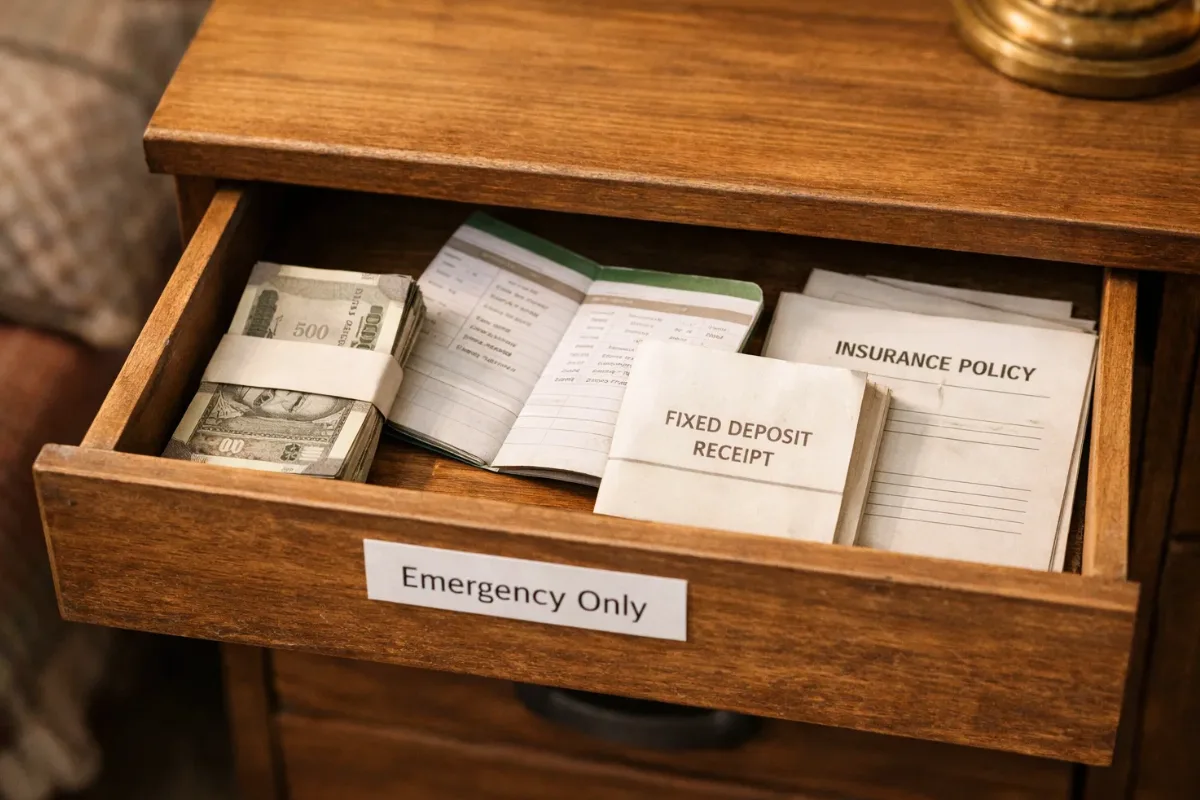
Even the best travel plan can have surprises.
Your flight may get delayed. You may need an unexpected taxi. Your luggage could be delayed. You may decide to try an activity that was not part of your original plan.
Keep an emergency amount separate from your daily spending money. Ideally, do not touch it unless you really need it.
This small step can give you peace of mind throughout your trip.
Quick Budget Travel Rule

Plan smart → Compare prices → Save where possible → Spend on experiences → Keep an emergency fund → Enjoy the journey.
Your dream international trip on a budget does not always need a bigger wallet. Sometimes, it simply needs a better plan.