India is not just a country of different cultures, languages and landscapes. It is also a country where every city has its own taste. Travel a few hundred kilometres and the spices, cooking styles, snacks and even breakfast plates can completely change. For food lovers, this makes India an exciting place to explore. A food trail in India is not simply about eating famous dishes. It is about walking through old markets, stopping at local food stalls, trying recipes passed down through generations and understanding a city through what people eat every day.
From spicy street food in Delhi to royal Awadhi flavours in Lucknow and comforting South Indian meals in Chennai, here are some Indian cities that deserve a place on every food lover’s travel list.

Why Take a Food Trail Across Indian Cities?
Food can tell you a lot about a destination. It can reveal its history, local ingredients, communities and traditions.
For example, Delhi’s food has been shaped by Mughal and Punjabi influences, while Mumbai’s food culture reflects its coastal location and mix of communities. Kolkata brings together Bengali traditions with influences from its long colonial history, while Lucknow is known for the slow-cooked flavours of Awadhi cuisine.
That is what makes a food trail in India so interesting. You are not just tasting food; you are experiencing different parts of the country through their kitchens and streets.
1. Delhi – Where Street Food Meets History

The capital brings together flavours from different parts of the country. Old Delhi, especially Chandni Chowk and the lanes around Jama Masjid, is filled with food that has become part of the city’s identity.
What to try:
- Chole bhature
- Stuffed parathas
- Chaat
- Golgappe
- Kebabs
- Nihari
- Jalebi
- Kulfi
A walk through Old Delhi can easily become a full-day food experience. Start with breakfast, explore the narrow lanes, stop for a plate of chaat and finish with something sweet.
The famous food lanes around Chandni Chowk are also a reminder that some food traditions survive because generation after generation continues to enjoy them.
Food mood: Spicy, rich, filling and full of variety.
2. Mumbai – A City That Eats on the Go

The city’s food culture is strongly connected with its working population, coastal location and mix of communities. You can find everything from simple roadside snacks to Parsi café favourites and seafood.
A food trail in India that includes Mumbai should leave plenty of room for small snacks between sightseeing stops.
What to try:
- Vada pav
- Pav bhaji
- Bhel puri
- Sev puri
- Misal pav
- Bombay sandwich
- Seafood
- Irani chai with bakery snacks
The best part is that you don’t necessarily need a formal restaurant to enjoy Mumbai’s flavours. Many iconic dishes are designed to be eaten quickly, making them perfect for travellers exploring the city.
Mumbai’s food scene also shows how different communities and culinary influences have come together over time.
Food mood: Quick, spicy, affordable and full of energy.
3. Kolkata – Love for Sweet and Savoury Flavours

Kolkata is a wonderful stop for travellers who want a mix of snacks, traditional Bengali food and famous sweets.
A food trail in India through Kolkata can move from a spicy puchka to a kathi roll and then to a plate of sweets.
What to try:
- Puchka
- Kathi roll
- Jhal muri
- Kolkata biryani
- Macher jhol
- Kosha mangsho
- Sandesh
- Mishti doi
- Rosogolla
The kathi roll is especially connected with Kolkata and has travelled far beyond the city.
And then there are Bengali sweets. From soft sandesh to creamy mishti doi, dessert is not just an afterthought here.
For a richer experience, combine your food stops with a walk through old markets and heritage areas. It helps you understand how Kolkata’s food culture has developed alongside the city itself.
Food mood: Sweet, tangy, comforting and traditional.
4. Lucknow – A Taste of Nawabi India

The city is famous for Awadhi cuisine, which developed in the kitchens of the Nawabs. Slow cooking, aromatic spices and delicate flavours are important parts of this culinary tradition.
What to try:
- Galouti kebab
- Kakori kebab
- Awadhi biryani
- Nihari
- Sheermal
- Kulcha
- Kulfi falooda
A food trail in India would feel incomplete without experiencing Lucknow’s famous kebabs and traditional Awadhi dishes.
What makes Lucknow interesting is that its food does not always need to be extremely spicy to be flavourful. The focus is often on aroma, texture and carefully balanced spices.
Food mood: Aromatic, slow-cooked, rich and royal.
5. Hyderabad – Beyond Just Biryani
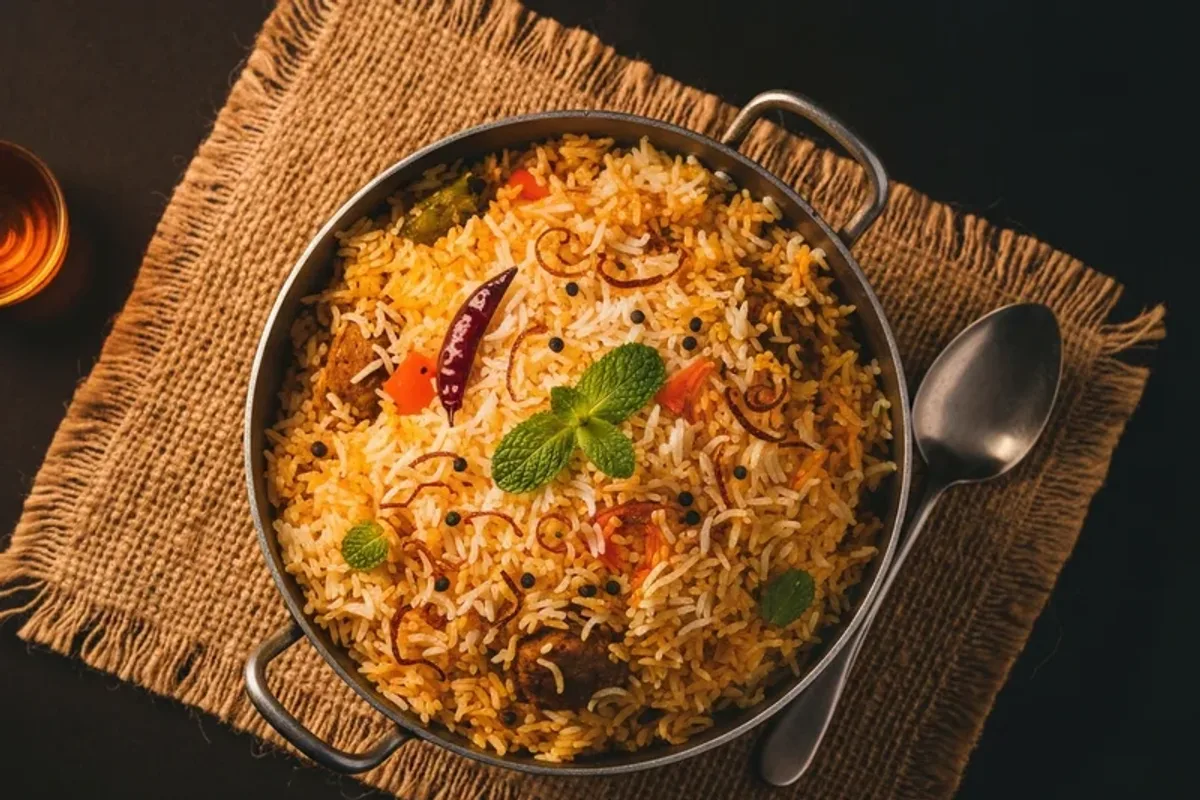 Ask someone about Hyderabad’s food and biryani will probably be the first answer.
And yes, Hyderabadi biryani deserves attention. But there is much more to discover.
What to try:
- Hyderabadi biryani
- Haleem
- Kebabs
- Mirchi ka salan
- Double ka meetha
- Irani chai
- Osmania biscuits
The city’s food culture has strong connections with its Nizami heritage and local culinary traditions. A trip around the Charminar area can turn into an enjoyable combination of sightseeing and food stops.
If you are planning a food trail in India, Hyderabad is particularly interesting for travellers who enjoy bold flavours and hearty meals.
Food mood: Spicy, aromatic, hearty and satisfying.
6. Amritsar – Big Flavours, Big Portions

The star of the local food scene is undoubtedly the Amritsari kulcha. Crispy on the outside, soft inside and usually served with chole, onions and plenty of butter, it is a must-try.
What to try:
- Amritsari kulcha
- Chole
- Amritsari fish
- Tandoori chicken
- Lassi
- Makki di roti
- Sarson da saag
- Jalebi
The Golden Temple’s langar also offers a unique food experience, where visitors can share a simple vegetarian meal served by volunteers.
Amritsar shows another side of a food trail in India: food can be about community and togetherness just as much as taste.
Food mood: Hearty, buttery, comforting and generous.
7. Jaipur – Royal Rajasthan on a Plate

Traditional Rajasthani food was shaped by the region’s climate and the ingredients that were easily available. This is why many dishes use lentils, flour, spices and ingredients that can be stored for longer periods.
What to try:
- Dal baati churma
- Gatte ki sabzi
- Ker sangri
- Pyaaz kachori
- Mirchi vada
- Ghewar
- Rajasthani thali
A Jaipur food experience becomes even better when combined with visits to the city’s forts, palaces and colourful markets.
Here, the meal itself can feel like a cultural experience.
Food mood: Rustic, spicy, traditional and colourful.
8. Chennai – A South Indian Food Adventure

South Indian cuisine is known for its use of rice, lentils, coconut, curry leaves, tamarind and different spice combinations.
What to try:
- Idli
- Dosa
- Pongal
- Vada
- Sambar
- Rasam
- Banana-leaf meals
- Filter coffee
One of the best ways to experience Chennai’s food culture is to slow down and enjoy a traditional meal rather than simply grabbing food between sightseeing stops.
And, of course, no Chennai food experience feels complete without a strong cup of filter coffee.
Food mood: Fresh, comforting, aromatic and balanced.
How to Plan Your Food Trail in India
A successful food trail in India is not about eating as much as possible. It is about choosing the right places and giving yourself enough time to enjoy them.
1. Mix famous dishes with local favourites
Do not only search for the most popular dish online. Ask locals what they actually eat and where they go.
2. Explore markets and old neighbourhoods
Some of the most interesting food experiences are found in traditional markets, old lanes and small local shops.
3. Do not rush between food stops
Give yourself time between meals. A food trail is much more enjoyable when you are hungry enough to appreciate the next dish.
4. Try small portions
If you are visiting several places in one day, order smaller portions or share dishes. This lets you taste more without feeling too full.
5. Respect local food habits
Some dishes may be spicy, oily, sweet or completely different from what you normally eat. Approach them with an open mind.
6. Keep hygiene in mind
Choose busy food places with good turnover, clean preparation areas and properly cooked food. Carry water and be careful with unfamiliar ingredients if you have food allergies or dietary restrictions.
The Best Part of a Food Trail? The Memories
Food has a special way of becoming connected to travel memories.
You may forget the exact name of a street, but remember the smell of freshly fried jalebi. You may not remember every turn in an old market, but remember the first bite of a hot kebab or a crispy kulcha.
That is the real charm of a food trail in India.
From Delhi’s busy lanes and Mumbai’s quick bites to Kolkata’s sweets, Lucknow’s kebabs, Hyderabad’s biryani, Amritsar’s hearty meals, Jaipur’s royal flavours and Chennai’s South Indian classics, every city brings something different to the table.
So, the next time you plan a holiday, don’t just ask, “What should I see?”
Ask yourself:
“What should I taste?”
Because sometimes, the best way to discover India is one plate, one city and one flavour at a time!!