1. Choose Your First International Destination Wisely

The first step is choosing where you want to go. With so many beautiful countries around the world, it can be difficult to decide. Instead of choosing a destination only because it looks beautiful on social media, think about your budget, travel time, weather, interests, and comfort level.
For your first trip, you may prefer a destination with easy transport, tourist-friendly facilities, and plenty of things to explore.
2. Get Your Passport Ready Before Anything Else

Here are a few things to check before booking your trip:
- Check the expiry date: Many countries require your passport to remain valid for at least six months beyond your intended arrival or departure date. Requirements vary by country.
- Check the condition: Make sure your passport is not damaged and that your personal details are clearly readable.
- Check the blank pages: Some countries require blank passport pages for visas or entry stamps.
- Keep a digital copy: Save a secure copy of your passport’s information page and keep a separate physical copy where practical.
- Apply early if needed: If you do not have a passport, apply well in advance so you have enough time for processing.
Your name and personal details should also match the information on your flight booking and other travel documents. Even a small spelling mistake can cause problems during check-in.
3. Understand Visa Rules Before Booking

A visa is permission to enter a country for a specific purpose and period. Depending on your passport and destination, you may need a visa before travelling, an electronic travel authorisation, a visa on arrival, or no visa for a particular short stay.
Never assume that a destination is visa-free simply because someone you know visited it without applying for a visa.
Here is what you should do:
- Visit the destination country’s official immigration website or embassy website.
- Check whether you need a tourist visa and how long you are allowed to stay.
- Understand the application process, fees, processing time, and required documents.
- Prepare your passport, photographs, travel itinerary, accommodation details, financial documents, and any other requested paperwork.
- Apply early and wait for approval before making non-refundable bookings if your plans allow.
Some countries may also ask for proof of onward travel, sufficient funds, travel insurance, or accommodation details.
Important: A visa does not always guarantee entry. Immigration officers may ask questions and check your documents when you arrive. Always follow the conditions attached to your visa.
4. Book Your Flights and Accommodation in Advance

Keep these points in mind while booking:
- Compare flight prices: Check different airlines, travel dates, and departure times before making a decision.
- Check baggage allowance: Some tickets include only cabin baggage, while others also include checked baggage. Read the rules carefully.
- Understand layovers: If your flight has a stop, check the waiting time, terminal change, and whether you need a transit visa.
- Choose your accommodation carefully: Check its location, recent reviews, transport options, cancellation policy, and check-in timings.
- Keep booking confirmations: Save your flight tickets, hotel reservations, and airport transfer details on your phone and as offline copies.
For your first trip, a direct flight can make the journey simpler if it fits your budget. If you choose a connecting flight, leave enough time between flights, especially when you have to collect your bags or pass immigration.
Also, check whether you need to complete any online arrival form or travel authorisation before departure.
5. Make a Realistic Travel Budget

Your budget should include:
|
Expense |
What to consider |
|---|---|
|
Flights |
Return tickets, baggage fees and seat selection |
| Visa |
Application fees and any required supporting services |
|
Accommodation |
Hotel charges, taxes and deposits |
| Food |
Breakfast, lunch, dinner, snacks and drinks |
|
Local transport |
Metro, buses, taxis and airport transfers |
| Sightseeing |
Entry tickets, tours and activities |
|
Shopping |
Souvenirs, gifts and personal purchases |
| Insurance |
Medical emergencies and other covered travel risks |
|
Emergency fund |
Unexpected expenses or booking changes |
Keep some extra money aside instead of spending your entire budget on bookings. This gives you flexibility if plans change or you face an unexpected expense.
Before paying for any activity, check whether taxes, service charges, transport, or meals are included in the price.
6. Understand Foreign Currency and International Payments

- Carry some local currency: Keep a small amount for transport, snacks, tips where customary, and places that do not accept cards.
- Check your debit or credit card: Confirm that international transactions are enabled and understand the foreign transaction charges.
- Consider a forex card: A travel forex card can help you load supported foreign currencies before your trip. Check its fees, exchange rates, ATM charges, and currency-conversion rules.
- Keep a backup payment option: Carry another eligible card or an alternative payment method separately from your main wallet.
- Track your spending: Remember that even small purchases can add up when converted into Indian rupees.
When a card machine asks whether you want to pay in Indian rupees or the local currency, compare the options carefully. Paying in Indian rupees abroad may involve a less favourable conversion rate or extra charges. Paying in local currency is often a sensible choice, but check your card’s own fees too.
Never exchange money without checking the rate and service charges. Also, review the rules for carrying foreign currency in and out of India and your destination country.
7. Buy Travel Insurance Before You Leave
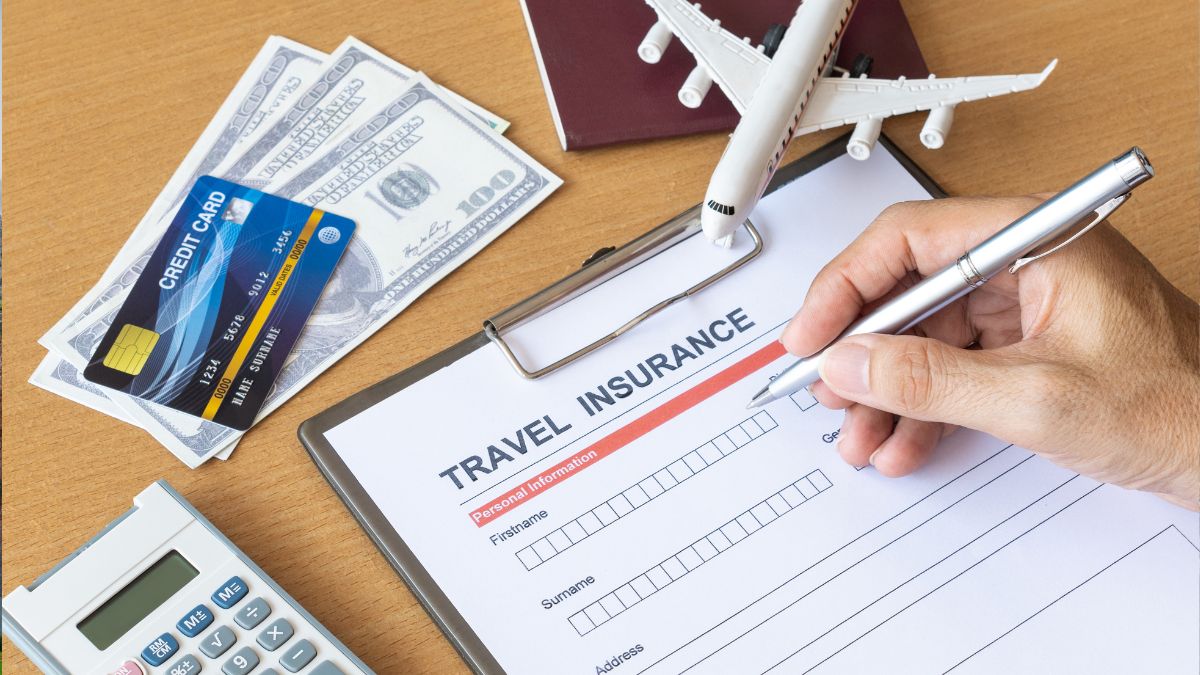
Travel insurance is often overlooked, especially when someone is travelling abroad for the first time. However, unexpected situations can happen even during a short holiday.
Travel insurance may help cover certain expenses related to medical emergencies, trip cancellations, travel delays, lost baggage, or other covered events. The exact protection depends on the policy you choose.
Before buying a policy, check:
- Whether overseas medical treatment and emergency evacuation are covered.
- Whether your destination and travel dates are included.
- What is covered if your flight is cancelled or your baggage is delayed.
- Whether adventure activities require extra coverage.
- The policy limits, exclusions, deductibles, and claim process.
Do not choose a policy only because it is cheap. Read the conditions and understand what is not covered. If you have a medical condition or take regular medication, check the policy’s terms and speak with your insurer if needed.
8. Pack Smartly and Follow Airline Baggage Rules

Packing for an international holiday can feel confusing, especially when you are unsure about the weather, baggage limits, or airport security rules. The easiest way to manage it is to prepare a list before you start packing.
Keep these essentials ready:
- Passport, visa, flight tickets, hotel bookings, and insurance details.
- Clothes suitable for the weather and activities at your destination.
- Comfortable walking shoes and any necessary accessories.
- Regular medicines in their original packaging, with prescriptions where appropriate.
- Phone, charger, travel adapter, and power bank.
- Basic toiletries and personal care items.
- A small day bag for sightseeing. A reusable water bottle, where permitted.
- Do not pack every item you own. Choose clothes that can be mixed and matched, and leave some space for shopping.
Cabin baggage vs. checked baggage
Cabin baggage stays with you during the flight, while checked baggage is handed over at the airline counter.
Keep your passport, money, phone, medicines, valuables, and important documents in your cabin bag. Pack liquids, sharp items, batteries, and electronic devices according to your airline’s and airport’s current rules.
Important: Power banks and spare lithium batteries generally need to be carried in cabin baggage, subject to airline restrictions. Liquid limits and other security rules vary by airport and route, so check the latest instructions before packing.
9. Know What to Expect at the Airport

Here is a simple step-by-step guide.
For an international flight, aim to arrive around three hours before departure, or earlier if your airline or airport recommends it. Check the terminal and departure time in advance.
Step 2: Check in and drop your bags
Show your passport and booking details at the airline counter if required. Collect your boarding pass and confirm that your checked baggage has been tagged to the correct destination.
Step 3: Complete security checks
Follow instructions for screening your cabin baggage and personal belongings. Keep prohibited items out of your bags.
Step 4: Complete immigration
Present your passport and other required documents. Answer questions honestly if an officer asks about your destination, accommodation, or reason for travel.
Step 5: Find your boarding gate
Check the airport screens for your gate and boarding time. Stay nearby and follow announcements because gates can change.
Keep your boarding pass and passport easily accessible. Avoid waiting until the last minute to reach the gate, and remember that boarding usually closes before the scheduled departure time.
10. Stay Connected While Travelling Abroad

Your phone will be one of your most useful travel tools. You may need it for maps, bookings, translation, transport, payments, and contacting your family.
Before leaving India, decide how you will access the internet.
- International roaming: Check your mobile operator’s roaming packs and charges.
- Local SIM: Buy a SIM card at your destination if you need a local number and data.
- eSIM: If your phone supports it, an eSIM may let you activate a suitable international data plan before travelling.
- Offline access: Download maps, hotel details, tickets, and translation tools for use without the internet.
Save your hotel’s address in the local language if possible, especially if the writing system is different from English. Also, share your itinerary with someone you trust and keep important phone numbers written down in case your phone battery dies.
11. Learn About Local Customs, Rules, and Safety

Here are some simple tips:
- Learn a few basic local words, such as hello, thank you, and excuse me.
- Check clothing rules before visiting temples, mosques, churches, or other religious places.
- Follow local laws related to public behaviour, photography, alcohol, and restricted areas.
- Use trusted transport options and confirm the fare before starting your journey.
- Keep your passport and valuables secure, especially in crowded tourist areas.
- Avoid sharing your live location or travel details publicly if doing so could affect your safety.Save the contact details of the nearest Indian embassy or consulate.
- Be careful when using public Wi-Fi for banking or other sensitive activities. Do not share your card PIN, passwords, or one-time passwords with anyone.
12. Understand Immigration Questions Before You Arrive

Your international journey does not end when the plane lands. At your destination, you may need to complete arrival formalities and speak with an immigration officer.
For a first-time traveller, this can feel intimidating, but there is no need to panic. Keep your documents ready and answer questions honestly.
Officers may ask:
- What is the purpose of your visit?
- How long will you stay?
- Where will you be staying?
- Do you have a return or onward ticket?
- How will you pay for your trip?
Keep your hotel booking, return ticket, visa, and other relevant documents accessible. Your answers should match your actual travel plans and the conditions of your visa.
After immigration, follow the signs to baggage collection. Check the baggage screens for your flight number, collect your suitcase, and proceed through customs. Declare any items when required and follow local rules about restricted goods, food products, medicines, and currency.
If your luggage does not arrive, contact the airline’s baggage service desk before leaving the airport.
13. Prepare for Jet Lag and a Different Time Zone

To make the adjustment easier:
- Start adjusting your sleep schedule a little before departure if possible.
- Drink enough water during the flight.
- Avoid too much caffeine and alcohol, especially close to bedtime.
- Get some daylight after reaching your destination.
- Plan a lighter first day instead of filling your schedule with activities.
- Give yourself enough time to rest after a long journey.
Remember, your first day abroad does not need to be packed with sightseeing. A relaxed walk, a nice meal, and a good night’s sleep can help you begin your holiday feeling refreshed.
14. Avoid These Common First-Time Travel Mistakes

Even a well-planned holiday can become stressful when small details are missed. Avoid these common mistakes to make your journey smoother.
- Booking before checking visa requirements: Understand the entry rules first and avoid unnecessary non-refundable expenses.
- Carrying all your money in cash: Use a mix of payment methods and store them separately.
- Ignoring baggage limits: Check the airline’s weight, size, and restricted-item rules before leaving home.
- Planning too many activities: Leave time for rest, meals, travel between attractions, and unexpected delays.
- Depending only on your phone: Keep offline copies of essential bookings, addresses, and emergency contacts.
- Forgetting travel insurance: Review your coverage before departure so you understand how to seek help if something goes wrong.
15. Your First International Trip: The Final Checklist
 Before leaving home, use this checklist to make sure you have covered the essentials.
Travel-ready checklist:
Final Thoughts: Make Your First International Trip Unforgettable
Your first trip abroad may come with a few questions, unexpected moments, and new experiences. That is all part of the adventure. The key is to prepare in advance, keep your documents organised, manage your money wisely, and stay open to discovering something new.
With this first-time international travel guide, you can approach your holiday with greater confidence, whether you are planning a relaxing beach escape, an exciting city break, or a memorable family vacation.
You do not need to know everything before you travel. You just need to be prepared for the important things and ready to enjoy the journey.
So, pack your bags, keep your plans organised, and get ready to create memories beyond borders. Your first international adventure could be the beginning of many more!