Planning your first international trip or getting ready for your next overseas holiday? That’s exciting! You might already be dreaming about beautiful beaches, shopping streets, amazing food, famous landmarks and unforgettable experiences. But before you pack your bags and book your dream holiday, there is one important thing you need to take care of – your visa!
Getting a visa may seem confusing, especially if you are applying for the first time. From arranging documents to filling out application forms, there are several things you need to check before submitting your application. Even a small mistake or missing document can lead to delays or, in some cases, rejection.
But don’t worry! With the right information and a little preparation, the process can become much easier.
Whether you are travelling for a holiday, business meeting, studies or visiting family, here are 7 important things to check before applying for an international visa to help you prepare better and enjoy a smoother travel experience.
1. Check the Visa Type You Need
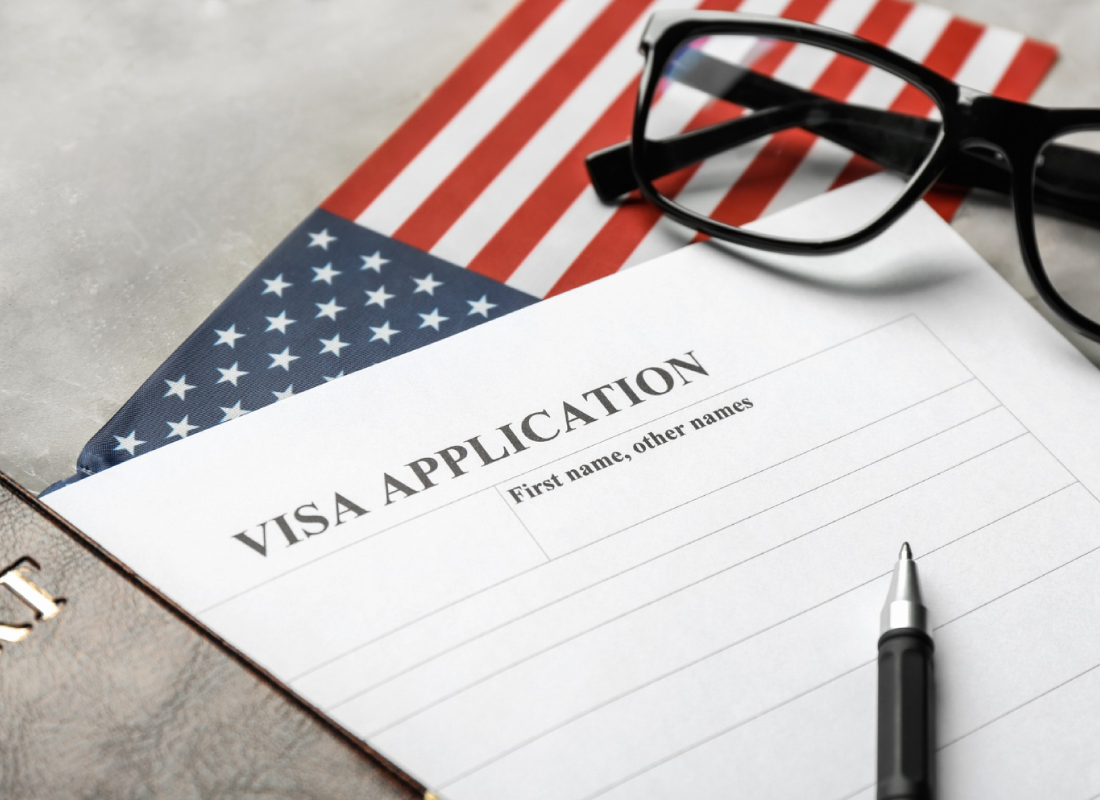
The first and most important step is to understand which type of visa you need. Different countries offer different visa categories depending on the reason for your visit.
For example:
- Tourist Visa: If you are travelling for a holiday, sightseeing or spending time with family and friends.
- Business Visa: If you are travelling for business meetings, conferences or professional events.
- Student Visa: If you are planning to study at a college or university abroad.
- Work Visa: If you have received a job opportunity in another country.
- Transit Visa: If you are passing through a country while travelling to another destination and its rules require one.
Applying for the wrong visa category can create unnecessary problems. So, before starting your application, visit the official embassy or immigration website of the country you want to visit and check the correct visa category.
Travel tip: Never assume that a tourist visa and business visa have the same rules. Always check the purpose of your visit before applying.
2. Make Sure Your Passport Is Valid
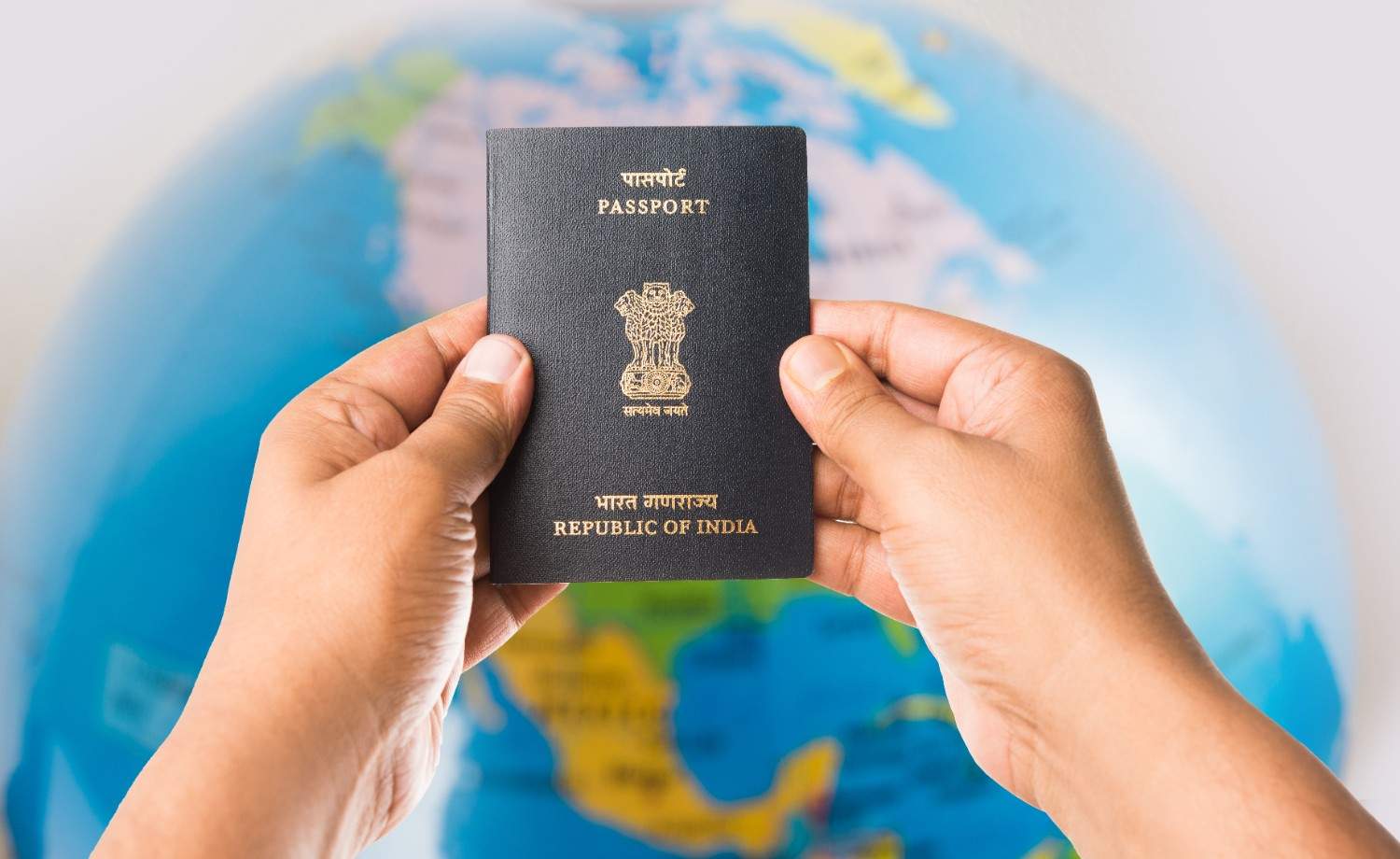
Your passport is one of the most important documents for international travel. Before applying for a visa, check its expiry date and make sure it meets the destination country’s requirements.
Some countries require your passport to remain valid for at least six months beyond your planned arrival or departure date, while others follow different rules.
Here are a few things to check:
- Make sure your passport is valid for the required period.
- Check whether you have enough blank pages for visa stamps, if required.
- Ensure your passport is not damaged.
- Check that your personal details are clearly visible.
- Make sure your name and date of birth match your other travel documents.
If your passport is close to expiry, it is better to renew it before starting your visa application, provided the destination’s process allows it.
Travel tip: Don’t wait until the last minute to check your passport. Renewing it early can save you from unnecessary travel stress.
3. Keep All Your Important Documents Ready

Documents play a major role in the visa application process. Every country has its own document requirements, and the list may also change depending on the type of visa you are applying for.
Generally, you may need the following documents:
- Valid passport.
- Recent passport-size photographs as per the country’s guidelines.
- Completed visa application form.
- Confirmed or proposed flight details, as required.
- Hotel booking or accommodation details.
- Travel itinerary explaining your travel plans.
- Bank statements or other financial documents.
- Employment proof, business documents or student documents, depending on your situation.
- Travel insurance, if required.
- Invitation letter, if you are visiting someone or travelling for business.
Make sure all your documents are clear, updated and correct. If any document needs to be translated into another language, check the embassy’s requirements for certified translations.
Travel tip: Prepare a separate folder for your visa documents. Keep digital copies as well, so you can access them whenever needed.
4. Check the Financial Requirements

One of the important things immigration officers may check is whether you can manage your expenses during your stay in another country.
You may be asked to provide bank statements, salary slips, income proof or other financial documents to show that you have enough money to support your trip.
Before submitting your application, check the following:
- Keep your latest bank statements ready.
- Make sure your bank account shows a reasonable financial balance for your planned trip.
- Keep your salary slips or income proof ready, if applicable.
- If someone else is sponsoring your trip, keep their financial documents and sponsorship letter ready, if required.
- Make sure the financial details you provide are genuine and match your application.
Remember, there is no single bank balance that guarantees visa approval. The required amount depends on the country, length of stay, travel plans and your personal situation.
Travel tip: Never show fake bank statements or provide incorrect financial information. Always submit genuine documents.
5. Fill Out the Visa Application Form Carefully
Your visa application form is one of the most important parts of the entire process. It gives the embassy or immigration department information about you, your travel purpose and your plans.
Even a small mistake in your application can cause delays or create problems during the verification process.
Before submitting the form, check these details:
- Your full name should match your passport.
- Your passport number and date of birth should be correct.
- Your travel dates should match your travel plans.
- Your accommodation and contact details should be accurate.
- Your employment and financial information should be correct.
- Answer every question honestly and carefully.
If the form asks for details that you do not understand, take help from someone who knows the process instead of guessing.
Travel tip: Read your application at least twice before submitting it. A few extra minutes of checking can save you a lot of trouble later.
6. Understand the Visa Fees and Appointment Process

Before applying, check the visa fees and understand how the application process works. Different countries have different fees, payment methods and appointment requirements.
Some countries allow online applications, while others require you to visit an embassy, consulate or authorised visa application centre.
Here is what you should check:
- What is the total visa application fee?
- Are there any additional service or processing charges?
- Is an appointment required?
- Do you need to visit a visa application centre for document submission?
- Is biometric information, such as fingerprints and photographs, required?
- What payment methods are accepted?
Also, check whether the visa fee is refundable if your application is rejected. In many cases, visa application fees are non-refundable.
Travel tip: Always book your appointment through the official website or authorised visa application centre. Avoid unknown agents or websites promising guaranteed visa approval.
7. Check the Visa Processing Time and Track Your Application

Once you submit your application, the next step is to wait for the decision. However, visa processing time can vary depending on the country, visa category, season and number of applications being processed.
Some applications may be processed within a few days, while others may take several weeks or longer.
Before applying, keep these points in mind:
- Check the estimated processing time on the official immigration website.
- Apply well before your planned travel date.
- Keep your application reference number safe.
- Regularly check your email and application status.
- Respond quickly if the embassy requests additional documents.
- Avoid making non-refundable travel bookings until you understand the visa requirements and risks.
Remember that submitting an application does not mean your visa is automatically approved. The final decision rests with the concerned embassy or immigration authority.
Travel tip: Apply early and keep some extra time in hand. This will help you avoid last-minute stress and unexpected changes to your travel plans.
Conclusion: A Little Preparation Can Make a Big Difference!
Getting your visa ready is an important part of planning an international holiday. While the process may look difficult at first, knowing the requirements and preparing your documents in advance can make things much easier.
From checking your passport and arranging financial documents to filling out the application form correctly, every small step matters. The key is to stay organised, follow the official guidelines and apply well before your travel date.
An international visa is more than just a travel document; it is an important step towards making your overseas travel dreams come true. So, prepare well, avoid common mistakes and get ready to explore the world!
Your dream destination is waiting. Make sure your paperwork is ready before your passport takes you there!