Sounds frustrating, right?
Managing money is one of the most important parts of international travel. Whether you are travelling to Dubai, Singapore, Thailand, Europe or the USA, you need local currency to pay for shopping, food, transport and other daily expenses.
However, many travellers make small mistakes while exchanging money without even realising how much they are losing. From choosing the wrong exchange provider to ignoring hidden charges, these mistakes can affect your travel budget.
The good news is that these mistakes are easy to avoid when you know what to look for.
In this blog, we will discuss the most common currency exchange mistakes travellers should avoid and share simple tips to help you get better value for your money.
1. Exchanging Money at the Last Minute

Many people end up exchanging money at the airport because it is convenient. However, airport exchange counters may offer less attractive rates or additional charges compared to other available options.
How to avoid this mistake:
- Plan your foreign currency requirements at least a few days before travelling.
- Compare exchange rates from different authorised providers.
- Avoid making last-minute decisions just because you are running out of time.
- Keep some local currency ready before leaving India.
A little planning before your trip can help you save money that you can use for shopping, sightseeing or enjoying a nice meal abroad.
2. Not Comparing Exchange Rates Before Making a Transaction

Exchange rates can differ from one provider to another. Even a small difference can make a big impact when you are exchanging a large amount.
For example, imagine you are exchanging ₹1,00,000 into US dollars. One provider offers a rate of ₹84 per dollar, while another offers ₹85 per dollar.
| Exchange rate | Dollars received |
|---|---|
|
₹84 per USD |
$1,190.48 |
| ₹85 per USD |
$1,176.47 |
Illustrative example only. Actual rates and fees vary.
In this example, you receive around $14 less at the second rate for the same amount of Indian rupees.
How to avoid this mistake:
- Check the latest market exchange rate.
- Compare the actual rates offered by different providers.
- Ask about service charges and other fees.
- Calculate how much foreign currency you will receive after all charges.
Remember, the best deal is not always the one with the lowest advertised rate. Always check the final amount you will receive.
3. Ignoring Hidden Charges and Extra Fees

Sometimes, an exchange rate may look attractive, but additional charges can make the deal expensive.
Some providers may charge service fees, processing fees or delivery charges. If you do not ask about these costs in advance, you may end up paying more than expected.
This is especially important when using cards or withdrawing money from ATMs abroad, as different charges may apply.
How to avoid this mistake:
- Ask for a complete breakdown of all charges.
- Check whether there is a service or processing fee.
- Understand the ATM withdrawal charges before using your card.
- Ask for the final amount after all deductions.
- Read the fee details before loading or using a prepaid travel card.
Never hesitate to ask questions before making a transaction. Knowing the charges in advance will help you manage your travel budget better.
4. Depending Only on Cash During Your International Trip
 Carrying foreign currency is important, but depending only on cash is not always a smart decision.
Imagine losing your wallet while exploring a new city. If all your travel money is in cash, you could face a serious problem.
Also, carrying large amounts of cash can be uncomfortable and may increase the risk of theft or loss.
A better option is to maintain a balance between cash and digital payment options.
How to avoid this mistake:
- Carry enough local currency for small daily expenses.
- Use a forex card or an international debit or credit card for suitable payments.
- Keep some emergency money separately.
- Avoid keeping all your money in one wallet or bag.
- Check whether your destination accepts card payments widely.
A combination of cash and cards gives you more flexibility and makes handling money easier during your holiday.
5. Exchanging Money at Unauthorised or Unreliable Places
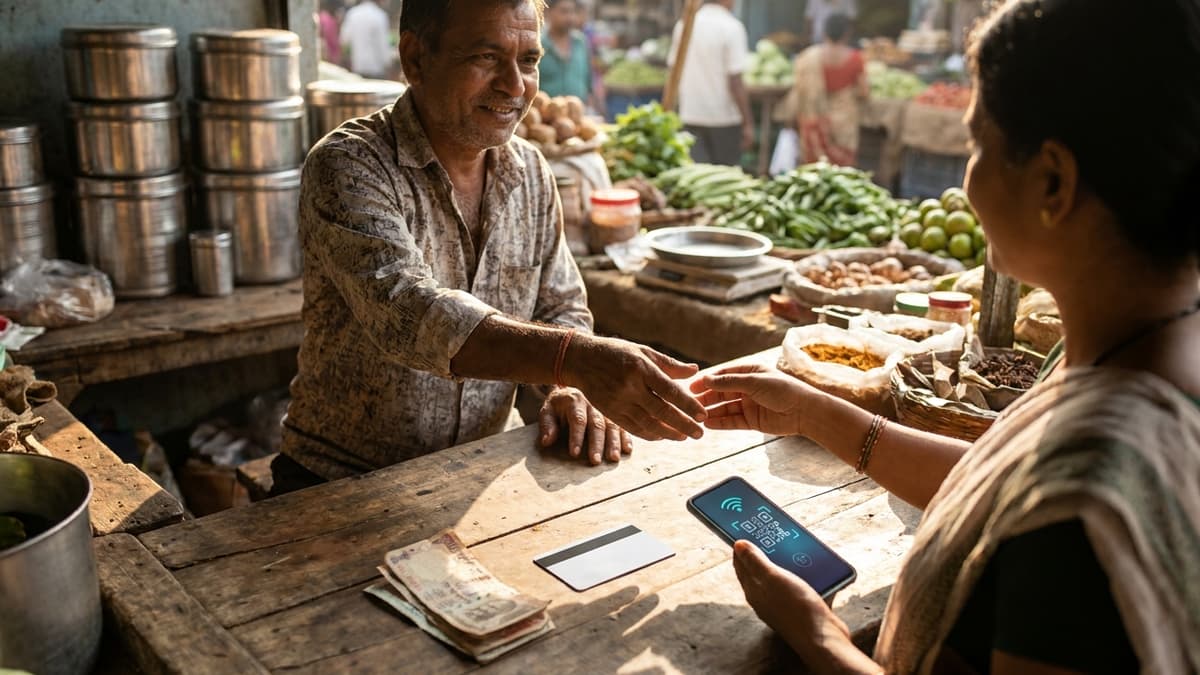
This is one mistake that can cost you more than just money.
When travelling abroad, you may come across small exchange shops, street vendors or people offering attractive exchange rates. While some may be genuine, others may not be reliable.
You could receive counterfeit notes, incorrect amounts or face problems if there is no proper transaction record.
For travellers in India, the Reserve Bank of India (RBI) allows foreign currency to be purchased through authorised persons, including authorised dealer banks and Full-Fledged Money Changers (FFMCs).
How to avoid this mistake:
-
Always choose an RBI-authorised forex provider in India.
-
Check the provider’s licence or authorisation.
-
Ask for a proper receipt after the transaction.
-
Count the money before leaving the counter.
-
Avoid exchanging money with unknown individuals.
Choosing a reliable provider is just as important as getting a good exchange rate.
6. Not Understanding Dynamic Currency Conversion (DCC)
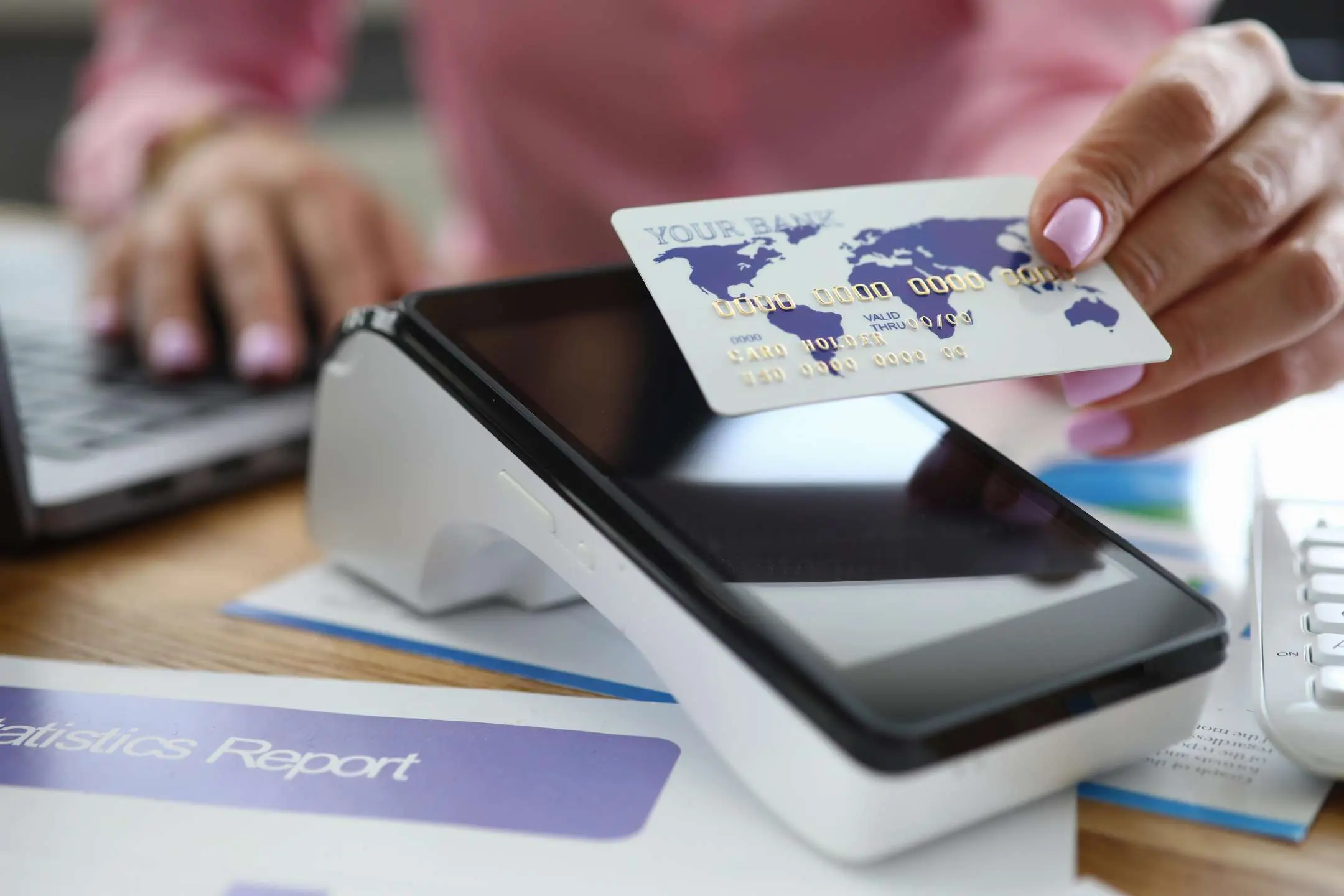
Have you ever used your card abroad and been asked whether you want to pay in Indian rupees or the local currency?
This is known as Dynamic Currency Conversion (DCC).
For example, if you are shopping in France, the payment machine may give you the option to pay in euros or Indian rupees.
Many travellers select Indian rupees because it feels easier to understand. However, the exchange rate used for this conversion may be less favourable, and an additional conversion charge may apply.
How to avoid this mistake:
- Understand the currency options shown on the payment machine.
- Check the conversion rate and any extra charges before accepting.
- Compare the offered conversion with the terms of your own card.
- If the conversion is unclear or expensive, consider choosing the local currency and letting your card provider handle the conversion.
The local currency option is often worth choosing, but always check your card’s foreign transaction fees and exchange rate terms.
7. Not Carrying Enough Local Currency for Small Expenses
 Imagine landing in a new country after a long flight. You need to buy a bottle of water, pay for a local taxi or grab something to eat. But the shop does not accept cards!
This is why carrying some local currency is important.
Although digital payments are becoming popular around the world, not every shop, local market, taxi or small restaurant accepts cards.
How to avoid this mistake:
- Research the payment methods commonly accepted at your destination.
- Carry some small-value currency notes.
- Keep enough money for airport transfers, food and local transport.
- Avoid carrying only large denomination notes.
- Keep a small emergency cash amount separate from your regular spending money.
Having some cash in your pocket can make your first day in a new country much easier.
8. Forgetting to Check Your Forex Card Charges
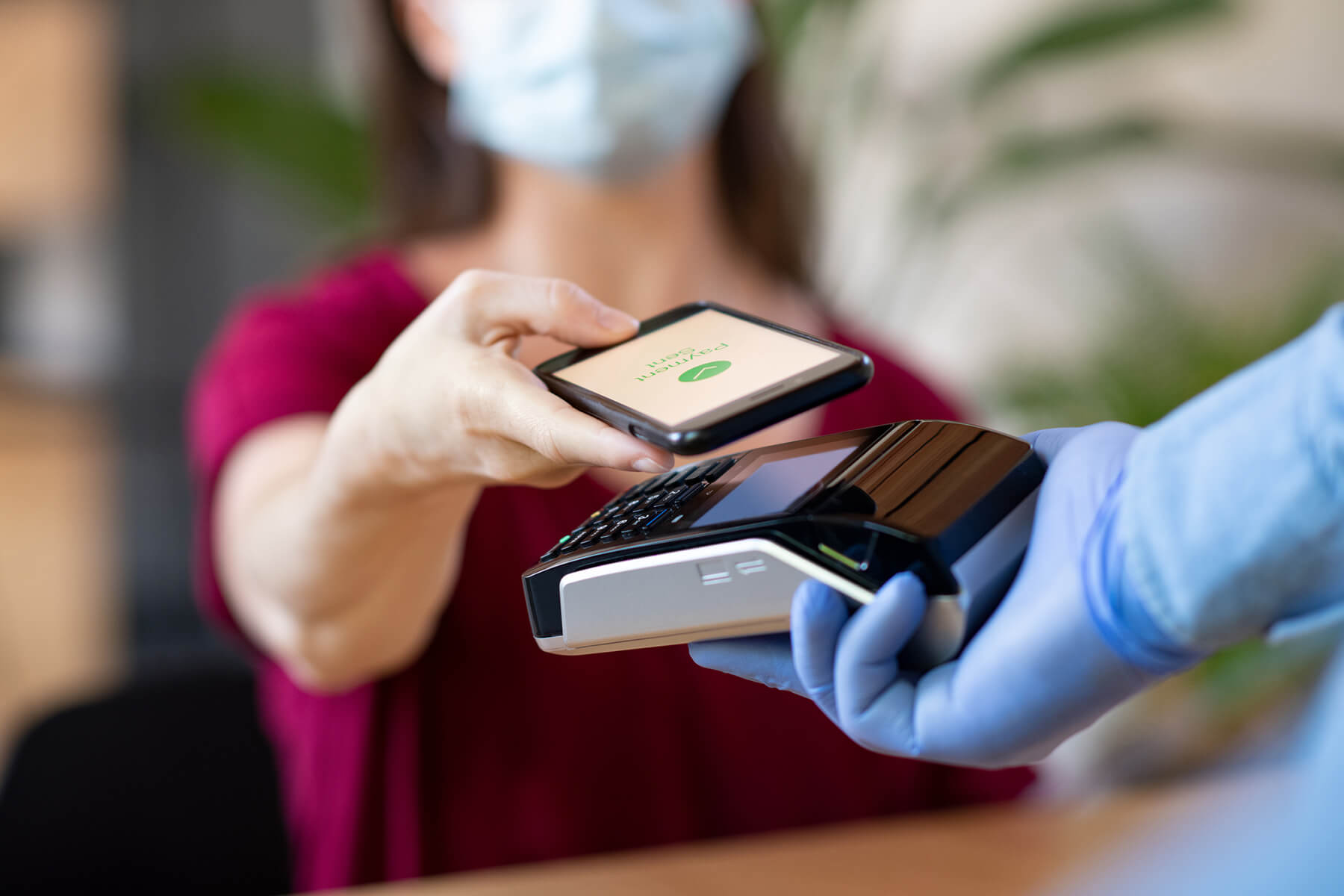
A forex card can be a convenient way to manage money abroad, but not understanding its charges can affect your travel budget.
Different cards may have different fees for ATM withdrawals, card replacement, inactivity, cross-currency transactions and balance refunds.
For example, if your card supports US dollars but you are travelling to Japan and making payments in Japanese yen, a currency conversion may apply.
How to avoid this mistake:
- Understand the currencies supported by your card.
- Check ATM withdrawal and transaction charges.
- Understand the charges for cross-currency payments.
- Check whether there is a fee for getting your unused balance refunded.
- Keep the card issuer’s customer support details handy.
- Before choosing a card, compare its features and charges. Do not select one only because it offers a low joining or loading fee.
9. Exchanging More Money Than You Actually Need
 Many travellers exchange a large amount of money before travelling because they want to avoid running out of cash abroad.
But what happens when you return home with a lot of unused foreign currency?
You may need to exchange it back into Indian rupees, and the rate you receive may be different from the rate at which you originally purchased it. Additional charges may also apply.
This means you could lose money while converting it back.
How to avoid this mistake:
- Prepare a basic daily travel budget.
- Estimate your spending on food, shopping, transport and sightseeing.
- Consider the number of days you will be travelling.
- Keep a small emergency amount.
- Avoid exchanging a very large amount without understanding your actual requirements.
- Plan your spending according to your travel style instead of exchanging money without a clear idea of how much you need.
10. Forgetting to Check the Foreign Currency Notes

Not all currency notes are accepted everywhere in the same way. Some countries may have restrictions on damaged, torn or heavily marked notes. Certain businesses may also refuse large denominations.
This can become a problem when you need to pay for something but the shop refuses to accept your note.
How to avoid this mistake:
- Check the notes before accepting them.
- Ask for smaller denominations wherever possible.
- Avoid accepting torn or damaged notes.
- Keep different denominations separately.
- Learn about any local currency rules before travelling.
- Always check your money at the time of exchange rather than discovering a problem after reaching your destination.
Smart Currency Exchange Tips Every Traveller Should Know

1. Start Planning Early: Do not wait until the last day. Start checking rates and arranging your foreign currency before your departure.
2. Choose a Trusted Provider: Always buy foreign currency from an authorised provider. This helps you avoid fraud and unnecessary risks.
3. Compare the Final Amount: Do not focus only on the exchange rate. Check the total amount you will receive after all charges.
4. Carry a Mix of Payment Options: Keep some cash, a forex card and an international payment option for emergencies.
5. Understand Your Card Charges: Before travelling, learn about ATM fees, transaction charges and other costs linked to your card.
6. Keep Your Exchange Receipt Safe: Your transaction receipt can be useful for future reference and currency-related requirements.
7. Know the Rules: Check the latest RBI guidelines regarding foreign currency purchases, cash limits and travel-related foreign exchange transactions before departure.
How Much Foreign Currency Should You Carry While Travelling?
This is one of the most common questions people have before an international trip.
The answer depends on your destination, travel duration, spending habits and the payment options available there.
Here is a simple example of how you can divide your travel money:
|
Expense |
Suggested payment option |
|---|---|
|
Local transport |
Cash or card |
| Shopping |
Forex card or cash |
|
Restaurants |
Card or cash |
| Street food |
Local currency |
|
Hotel payments |
Card |
| Emergency expenses |
Separate cash reserve |
These are general suggestions, not fixed spending limits. Your actual requirements may differ depending on your destination.
The best approach is to prepare a daily budget and keep enough money for small expenses, planned activities and emergencies.
Why Choosing the Right Forex Partner Matters
When planning an international holiday, choosing the right forex partner can make your travel experience easier and more comfortable. A reliable provider helps you understand the available exchange rates, charges and payment options before you make a decision. At Zenith Forex, you can explore foreign currency exchange services and forex card options for your international travel needs. Whether you are travelling for a family holiday, honeymoon, business trip, higher studies or a solo adventure, having your travel money arranged in advance can make a big difference.
The aim is simple: spend less time worrying about money and more time enjoying your holiday!
Final Thoughts: Travel Smart, Exchange Smart!
An international holiday should be about exploring new places, enjoying different cultures, tasting delicious food and making beautiful memories. You should not have to worry about losing money because of avoidable mistakes.
A little research, proper planning and the right financial choices can help you make the most of your travel budget.
Remember, smart currency exchange is not just about getting a good rate. It is also about choosing a reliable provider, understanding the charges, carrying the right amount of money and knowing how to use it wisely.
So, before you pack your bags and head to the airport, make sure your travel money is ready!
Plan your next international holiday with Zenith Holidays and take care of your travel money with Zenith Forex. Travel more, worry less and make every trip memorable!