Traveling is one of life’s greatest joys, but the thrill of discovering new places can sometimes make tourists vulnerable to scams. Common travel scams abroad and how tourists can stay safe is a topic every traveler should know before boarding a plane. From street tricks to online cons, scammers are clever, but with the right knowledge, you can enjoy your trip without worry.
1. Taxi and Transportation Scams

One of the most frequent scams involves taxis or ride services. Tourists are often overcharged, taken on longer routes, or even offered “special deals” that turn out to be fake.
How to stay safe:
-
Always use official taxis or rideshare apps.
-
Agree on a fare before starting the ride if meters aren’t used.
-
Avoid accepting rides from strangers at airports or stations.
2. Fake Tickets and Tours
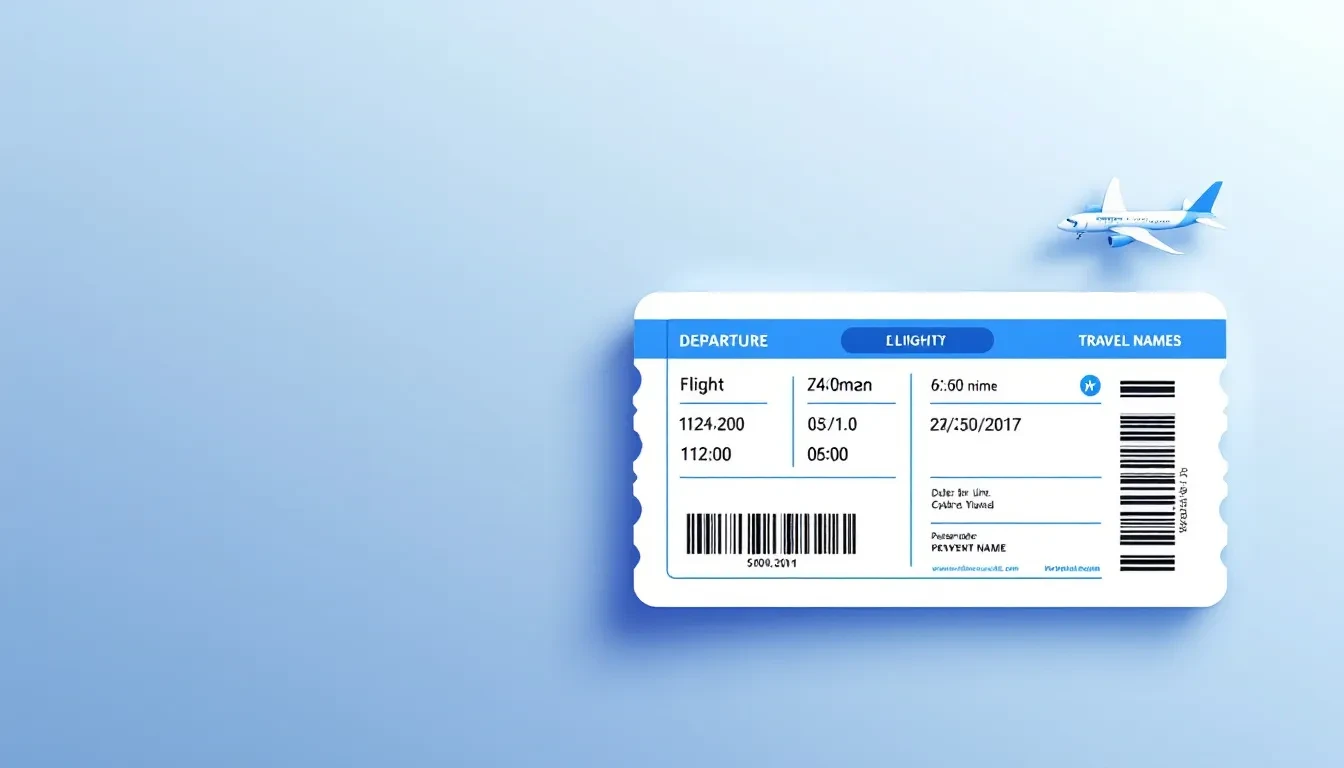
Scammers often sell counterfeit tickets for attractions, events, or transportation. Sometimes, “too-good-to-be-true” tour packages are a trap to take your money.
How to stay safe:
-
Buy tickets from official websites or verified agents.
-
Double-check reviews online before booking tours.
-
Avoid street vendors offering “discounted” passes.
3. Pickpocketing and Distraction Tricks
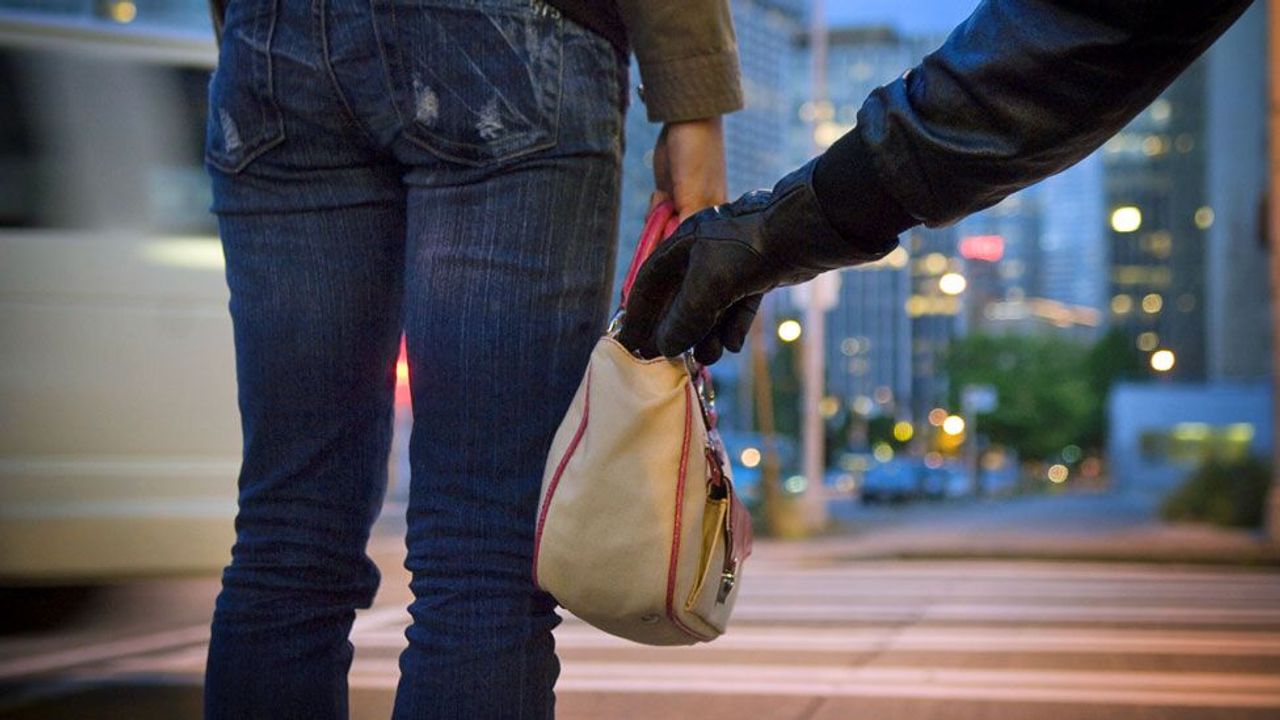
Crowded tourist spots are hotbeds for pickpockets. Scammers may bump into you, ask for directions, or create distractions while an accomplice steals your belongings.
How to stay safe:
-
Keep wallets and phones in front pockets or money belts.
-
Be cautious of strangers creating sudden distractions.
-
Travel light and only carry what you need.
4. ATM and Credit Card Scams

Using an unfamiliar ATM can lead to card skimming or fraud. Scammers install devices that steal your card information or trick you into revealing your PIN.
How to stay safe:
-
Use ATMs inside banks or secure locations.
-
Cover the keypad when entering your PIN.
-
Regularly monitor your accounts for suspicious activity.
5. Friendly Stranger Scams
It’s tempting to trust locals offering help, friendship, or advice, but some may try to trick tourists into paying for fake services or goods.
How to stay safe:
-
Politely decline unsolicited help or offers.
-
Avoid following strangers to unknown locations.
-
Stick to well-reviewed shops and restaurants.
6. Accommodation and Rental Scams
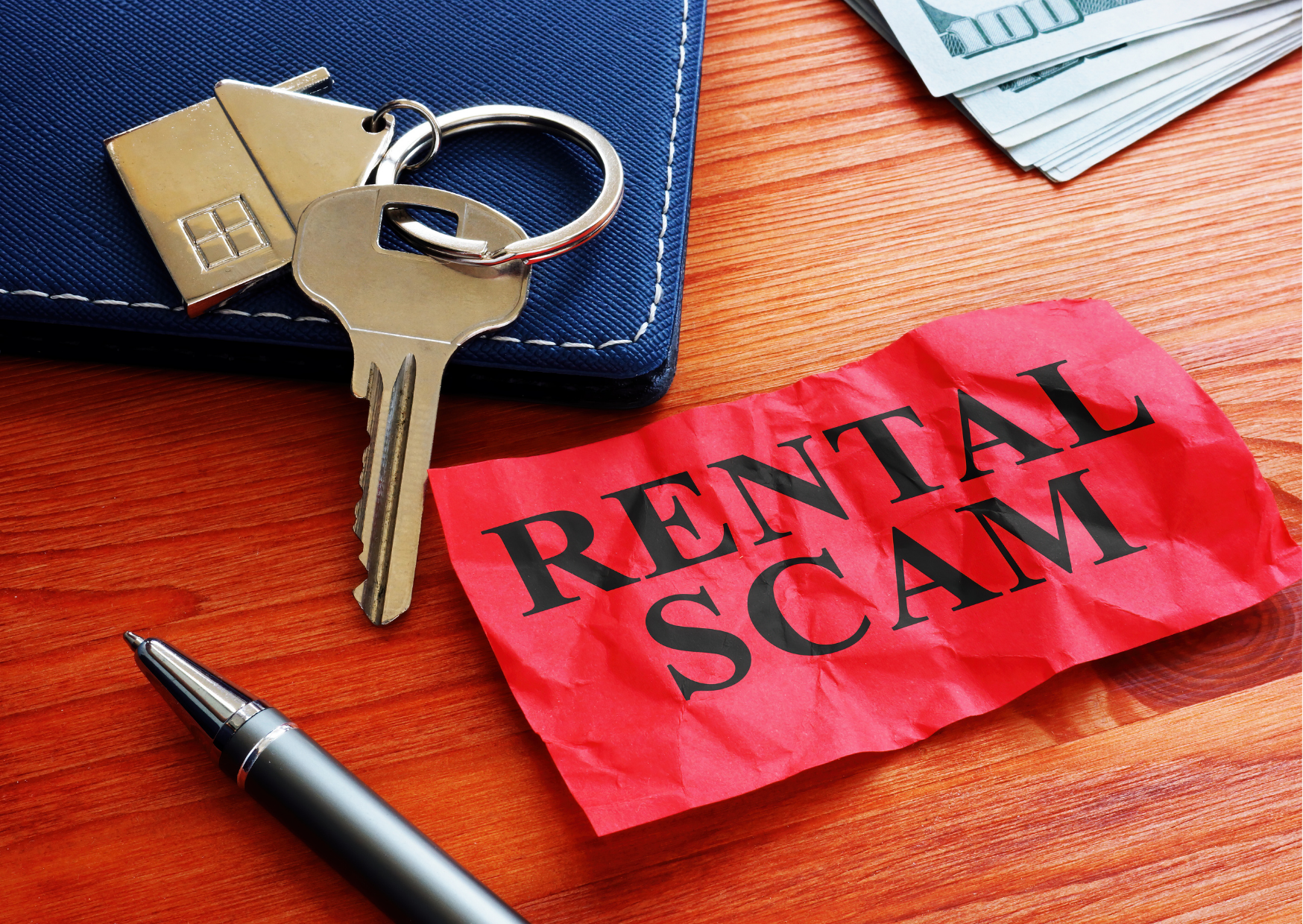
Booking online can sometimes lead to fake hotels, apartments, or vacation rentals. You might pay in advance and find nothing when you arrive.
How to stay safe:
-
Use trusted booking platforms with verified reviews.
-
Never pay in full upfront without confirmation.
-
Contact the property directly if something feels off.
Final Thoughts
Understanding common travel scams abroad and how tourists can stay safe is not about fear—it’s about being prepared. Stay alert, trust your instincts, and research before making payments or sharing personal information. Remember, a little caution goes a long way in making your trip memorable for the right reasons.
Travel smart, travel safe, and enjoy the adventure without falling victim to scammers!