Planning an international holiday? From booking hotels and enjoying local food to shopping and exploring new places, you will need money at every step. But have you ever wondered what is the best way to carry and spend money when travelling abroad?
Should you carry foreign currency in cash, use your regular debit or credit card, or get a prepaid forex card before your trip?
Each option has its own benefits and limitations. Choosing the right one can help you save money, avoid unnecessary charges and enjoy a stress-free holiday. So, before you pack your bags, let’s understand the differences between these three payment options and find out which one works best for your international trip.
1. Cash – The Traditional Way to Spend Abroad

Carrying foreign currency is one of the oldest and easiest ways to manage money while travelling. Whether you are buying a coffee, shopping at a local market or paying for a taxi, cash can be useful for everyday expenses.
Why should you carry cash?
- Easy to use: You don’t need a card machine or internet connection to make cash payments.
- Useful for small expenses: Perfect for street food, tips, local transport and small shops.
- Accepted in many places: Local markets and small businesses may prefer cash over cards.
- Helps manage spending: When you carry a fixed amount, it becomes easier to keep track of your daily expenses.
What are the disadvantages?
- Carrying too much cash can be risky if your wallet gets lost or stolen.
- You may need to visit currency exchange counters to get more money.
- Finding a good exchange rate at tourist locations can be difficult.
- Any cash left unused after your trip may need to be exchanged again.
Our tip: Carry enough foreign currency for small expenses and emergencies, but avoid keeping your entire travel budget in cash.
2. Debit or Credit Card – A Convenient Payment Option

Your regular debit or credit card can make international payments quick and convenient. From booking hotels to shopping at international brands, cards are accepted at many restaurants, stores and travel destinations.
However, using your Indian bank card abroad may come with additional charges that you should know about.
Why should you use your regular bank card?
- Easy payments: You can pay without carrying large amounts of cash.
- Widely accepted: Many hotels, restaurants, shopping malls and online platforms accept international cards.
- Credit card benefits: Some cards offer reward points, cashback, travel benefits or other offers.
- Emergency support: You can use your card for unexpected expenses, depending on your available balance or credit limit.
What are the disadvantages?
- Banks may charge a foreign currency transaction fee on international payments.
- Currency conversion rates may include additional costs.
- International ATM withdrawals can attract extra charges.
- Some banks may block international transactions unless you activate international usage.
- Using a credit card for cash withdrawals can be expensive because of cash advance fees and interest.
Our tip: Before travelling, check your bank’s international transaction charges, currency conversion fees and card usage settings. This will help you avoid surprises when you receive your statement.
3. Forex Card – A Smart Travel Money Option

Unlike regular debit or credit cards, a forex card allows you to load foreign currency in advance. This can help you plan your travel budget and avoid depending completely on cash or your regular bank card.
Why is a forex card worth considering?
- Load money in advance: You can load the required foreign currency before your journey.
- Better budget control: Since it is prepaid, you can manage your spending according to the amount loaded.
- Convenient payments: Use it at international stores, restaurants, hotels and other places that accept the card network.
- Protection features: Many forex cards offer PIN protection, card blocking and transaction management through an app.
- Multiple currency options: Some cards allow you to load more than one foreign currency, depending on the card provider.
- Less need to carry cash: You can make many everyday payments using your card.
What are the disadvantages?
- You need to load money before using the card.
- Card issuance, reload, ATM withdrawal and other service charges may apply.
- Some places may not accept prepaid cards.
- You may need cash or another payment option for emergencies.
- Currency conversion charges may apply if you use the card in a currency that is not loaded on it.
Our tip: Compare exchange rates, loading fees, ATM charges and other service costs before choosing a forex card. A little research can help you make a smarter decision.
4. Cash vs Debit/Credit Card vs Forex Card: Which One Is Better?

Now that you know about all three options, let’s compare them side by side.
|
Features |
Cash | Debit/Credit Card |
Forex Card |
|---|---|---|---|
|
Easy to carry |
Yes, but can be bulky | Yes | Yes |
| Small payments | Very useful | Useful |
Useful |
|
Online payments |
No | Yes | Depends on card |
| Budget control | Depends on cash carried | Depends on bank balance or credit limit |
Good, based on loaded amount |
|
Exchange rate planning |
At the time of exchange | Depends on transaction conversion | Usually fixed for the currency when loaded |
| Risk of theft | Higher if carrying large amounts | Can be blocked |
Can usually be blocked |
|
ATM withdrawals |
Not required | Charges may apply | Charges may apply |
| International acceptance | Depends on local cash usage | Depends on card network |
Depends on card network and merchant |
The final choice: All three options are useful, but a combination of cash, a forex card and a regular bank card can make your international trip easier. You get flexibility without depending on just one payment method.
5. What Should You Choose Based on Your Travel Needs?

Here is what you can consider:
For family holidays
When travelling with family, you may have expenses such as hotel stays, food, shopping, sightseeing and transport. A forex card can help manage larger planned expenses, while some cash can be useful for small purchases.
For solo travellers
If you are travelling alone, carrying less cash can make things easier. A forex card and a backup debit or credit card can help you manage different types of payments.
For business travellers
Business trips often involve hotel bookings, meals, local transport and other expenses. A forex card can help with planned spending, while a regular credit card may be useful where a credit card is specifically required.
For students studying abroad
Students may need money for food, transport, shopping and everyday expenses. A forex card can be useful for managing a planned budget, while some local cash can help with smaller payments.
6. Smart Tips to Save Money While Spending Abroad

Choosing the right payment option is important, but knowing how to use it wisely is equally important.
Here are some simple tips that can help you avoid unnecessary expenses.
1. Compare exchange rates before buying currency
Don’t exchange money in a hurry at the airport or tourist locations. Compare rates from authorised forex providers before making a decision.
2. Always check international transaction fees
Your regular debit or credit card may have foreign transaction charges, currency conversion fees and ATM withdrawal fees. Check these before travelling.
3. Choose local currency when paying by card
Sometimes, international shops or payment machines ask whether you want to pay in Indian Rupees or the local currency. This is called Dynamic Currency Conversion (DCC).
Choosing Indian Rupees may involve an unfavourable conversion rate and additional charges. In most cases, selecting the local currency is the better option. Check the amount and fees before confirming.
4. Keep a backup payment option
Never depend on just one card. Keep a second card separately from your main wallet and carry some emergency cash.
5. Check your card’s international usage settings
Make sure international transactions are enabled before leaving India. Also, check your daily spending and ATM withdrawal limits.
6. Keep your card details safe
Never share your PIN or OTP with anyone. Use your card’s app or customer support to block it immediately if it gets lost.
7. Keep track of your expenses
Check your transactions regularly through your banking or forex card app. This helps you understand where your money is going and stay within your travel budget.
7. Important Things to Know Before Getting a Forex Card in India
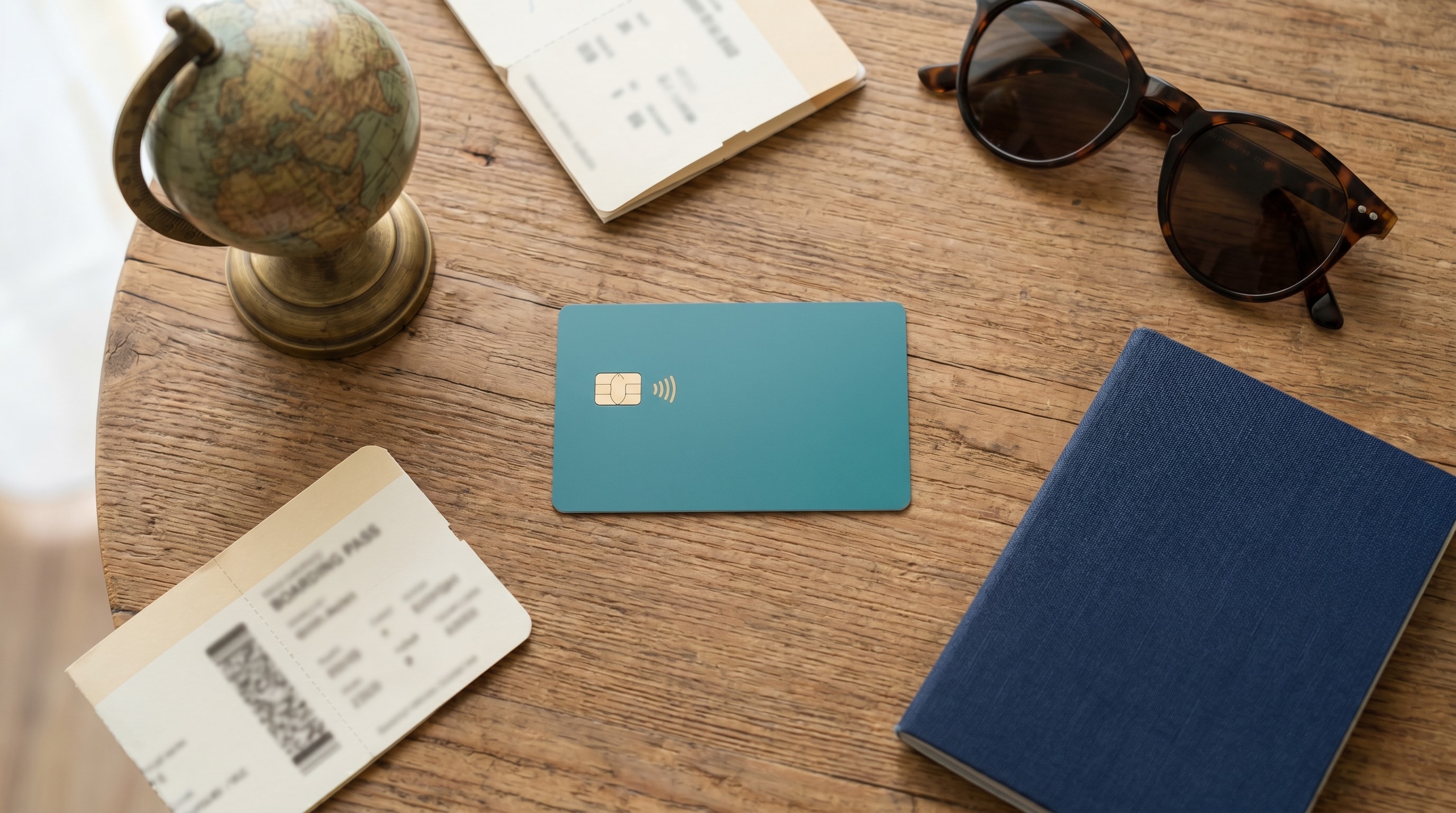
If you are planning to get a forex card, there are a few things you should check before applying.
- Purchase your forex card through an RBI-authorised bank or authorised forex provider.
- Keep your passport, visa and other required travel documents ready for the application and KYC process.
- Check the available foreign currencies and whether your destination’s currency is supported.
- Understand the card issuance, loading, reload and withdrawal charges.
- Check the process for blocking and replacing a lost card.
- Understand how unused foreign currency can be refunded or reconverted after your trip.
Remember, a forex card is a prepaid travel payment option and must be used according to the applicable foreign exchange rules in India. Always check the latest RBI guidelines and your card provider’s terms before purchasing one.
8. So, What Is the Best Way to Spend Money Abroad?

After comparing cash, debit or credit cards and forex cards, one thing is clear: you don’t have to depend on just one payment method during your international holiday.
A combination of all three can be a practical choice.
- Keep some foreign currency for small expenses and emergencies.
- Use a forex card for planned everyday spending and larger purchases where accepted.
- Carry an international debit or credit card as a backup for additional payments and emergencies.
A forex card can be a useful choice for travellers who want to plan their currency expenses in advance, while cash and regular bank cards provide additional flexibility.
The right option ultimately depends on your travel plans, destination and spending habits.
Final Thoughts
An international holiday should be about exploring new places, enjoying local food, shopping and creating beautiful memories, not worrying about how to make every payment!
Understanding the difference between cash, regular bank cards and forex cards can help you make better travel decisions. Before your next international trip, compare your options, check the charges and choose a payment combination that suits your needs.
Plan your money smartly, travel confidently and enjoy every moment of your international holiday!