Your Passport Is Ready. But Is Your Money Plan Ready? Planning an international holiday is exciting. You have your flights booked, hotel confirmed and itinerary ready. But there is one important question many travellers forget to plan properly: The truth is, there is no single payment method that works perfectly everywhere. The smartest approach is to use a combination of cash, cards and a forex card based on where you are travelling, how long you are staying and how much you plan to spend.
A forex card for international travel is especially useful for managing your main travel budget because you can load money before your trip and use it for payments abroad.
Cash, Card or Forex Card: What Does Each One Offer?
Before deciding what to carry, let’s understand how each option works.
1. Foreign Currency Cash
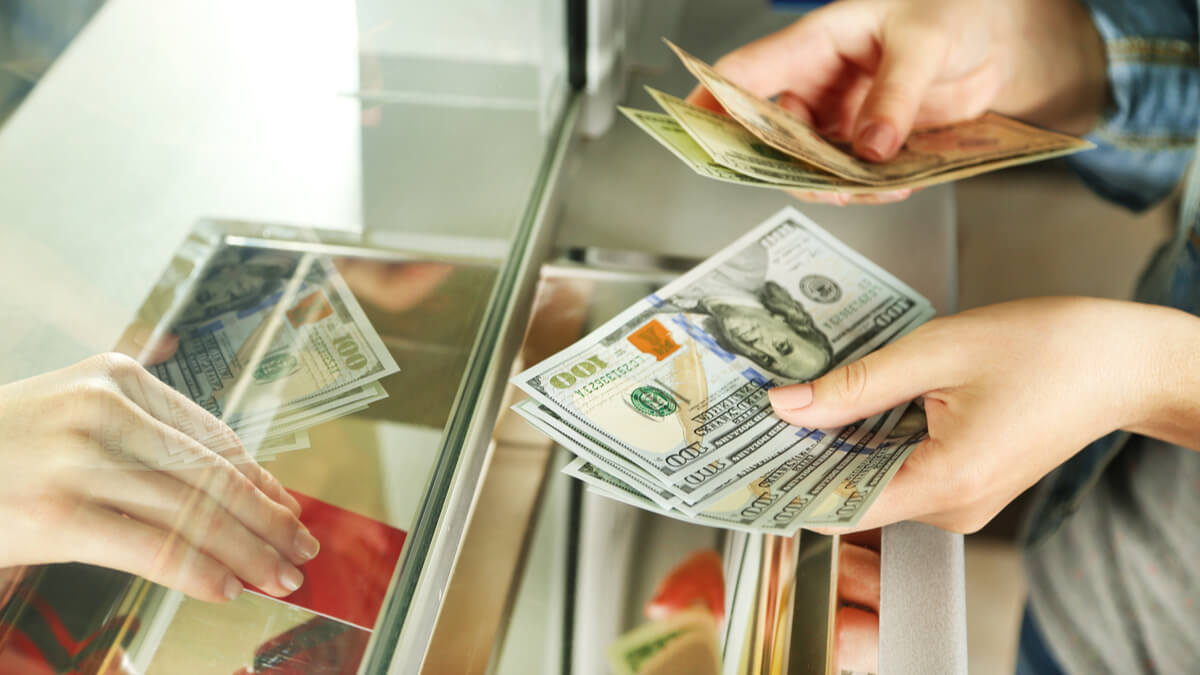
Cash is the most traditional way of carrying money abroad. You exchange your Indian rupees for the currency of your destination before or during your trip.
It is particularly useful for:
- Small shops and local markets
- Street food and small restaurants
- Tips
- Local taxis
- Places where cards may not be accepted
- Emergency situations
The biggest problem is safety. If you lose your wallet or someone steals your cash, recovering it can be difficult.
That is why carrying some cash is smart, but carrying your entire holiday budget in cash is not.
2. Credit Card
A credit card can be extremely convenient overseas. You can use it for hotels, restaurants, shopping and other larger payments.
It can also be a useful backup if your main payment method stops working.
However, international credit card transactions may involve foreign exchange markups or other charges, depending on your card. The exchange rate can also be different from the rate you expected when you made the purchase.
Before your trip, always check:
- Foreign currency markup
- International transaction charges
- ATM withdrawal charges
- Cash withdrawal interest
- Your card’s international usage settings
- Emergency customer support
A credit card is excellent as a backup, but using it for every purchase without checking the charges can increase your holiday spending.
3. Forex Card: Your Travel Money in Card Form
A forex card is a prepaid card designed for international spending. You load money onto it before travelling and use it much like a debit card for payments abroad. Some cards also support multiple currencies.
For many Indian travellers, a forex card for international travel offers a good balance between convenience, spending control and safety.
Forex Card vs Cash vs Credit Card
| Feature | Cash | Credit Card | Forex Card |
|---|---|---|---|
| Easy to carry | Moderate | Excellent | Excellent |
| Spending control | Good | Moderate | Excellent |
| Risk if lost | High | Lower if blocked quickly | Lower if blocked quickly |
| Useful for small vendors | Excellent | Limited | Limited |
| Works at card machines | No | Yes | Yes |
| ATM withdrawals | No | Yes | Yes |
| Exchange rate planning | Possible before travel | Rate may vary | Often possible when loading |
| Best use | Small expenses | Backup & selected purchases | Regular travel spending |
The exact fees, limits and features differ between providers, so always check the card’s terms before travelling.
So, What Should You Actually Carry?
The smartest answer is not just one.
Think of your travel money as a three-layer safety plan.
Layer 1: Forex Card
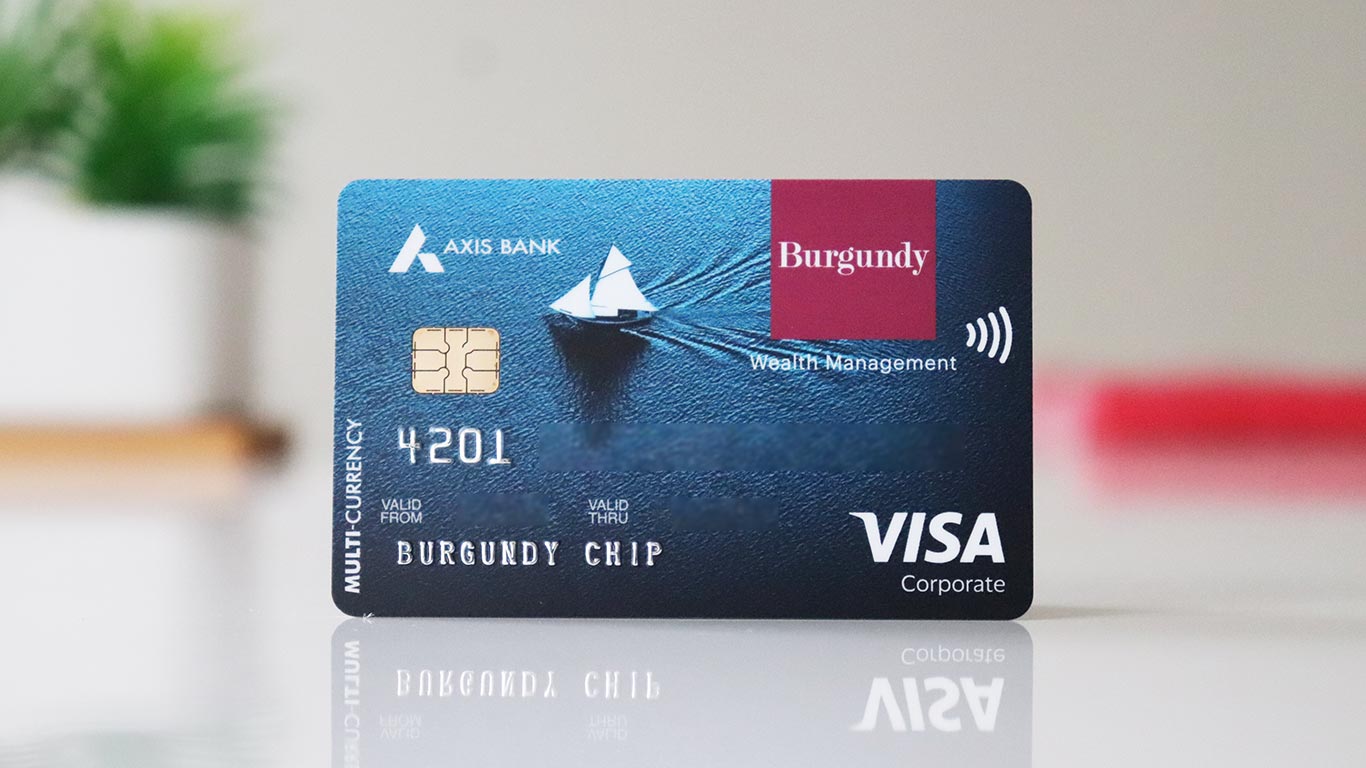
Keep your main travel spending money on your forex card.
Use it for:
- Restaurants
- Shopping
- Transport
- Attractions
- Hotels where accepted
- Everyday expenses
A forex card for international travel can make budgeting easier because you have already decided how much money you want to spend.
Layer 2: Foreign Currency Cash

Keep a reasonable amount of cash separately.
You don’t need a huge bundle of notes. Just carry enough for small purchases and situations where card payments aren’t available.
Layer 3: Credit Card
Keep one international-enabled credit card as your emergency backup.
It can be useful for:
- Unexpected expenses
- Hotel deposits
- Car rentals
- Larger purchases
- Situations where your prepaid card doesn’t work
This three-way approach gives you flexibility without making you dependent on one payment method.
How Much Cash Should You Carry?
There is no fixed amount that works for every traveller.
It depends on:
- Destination
- Number of travel days
- Type of holiday
- Local payment habits
- Number of people travelling
- Your daily budget
For example, a traveller spending most of the time in large European cities may use cards for most purchases. Someone exploring smaller towns, local markets or remote areas may need more physical cash.
The important thing is not to keep all your money in one place.
Keep your cash separate from your cards. Also, avoid keeping your entire cash amount in your everyday wallet.
7 Smart Money Tips for Your International Trip
1. Don’t Depend on Just One Card
Cards can get blocked, lost or declined.
Carry a backup payment option.
Your forex card for international travel can be your primary card, while your credit or debit card can stay safely as a backup.
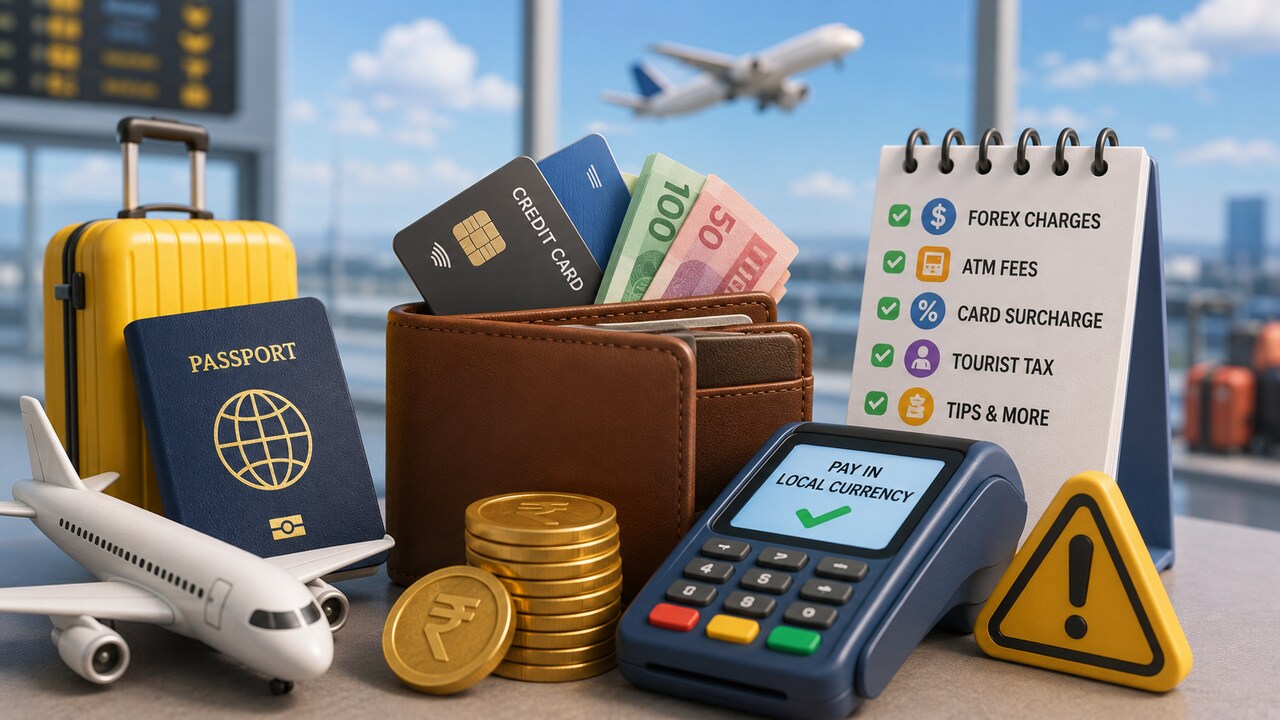
2. Check All Fees Before You Travel
Don’t look only at the exchange rate.
Check:
- Card issuance fee
- Reload fee
- ATM withdrawal fee
- Cross-currency charges
- Inactivity or other applicable charges
- Replacement charges
The cheapest-looking option isn’t always the cheapest after all charges.
3. Keep Your Emergency Money Separate
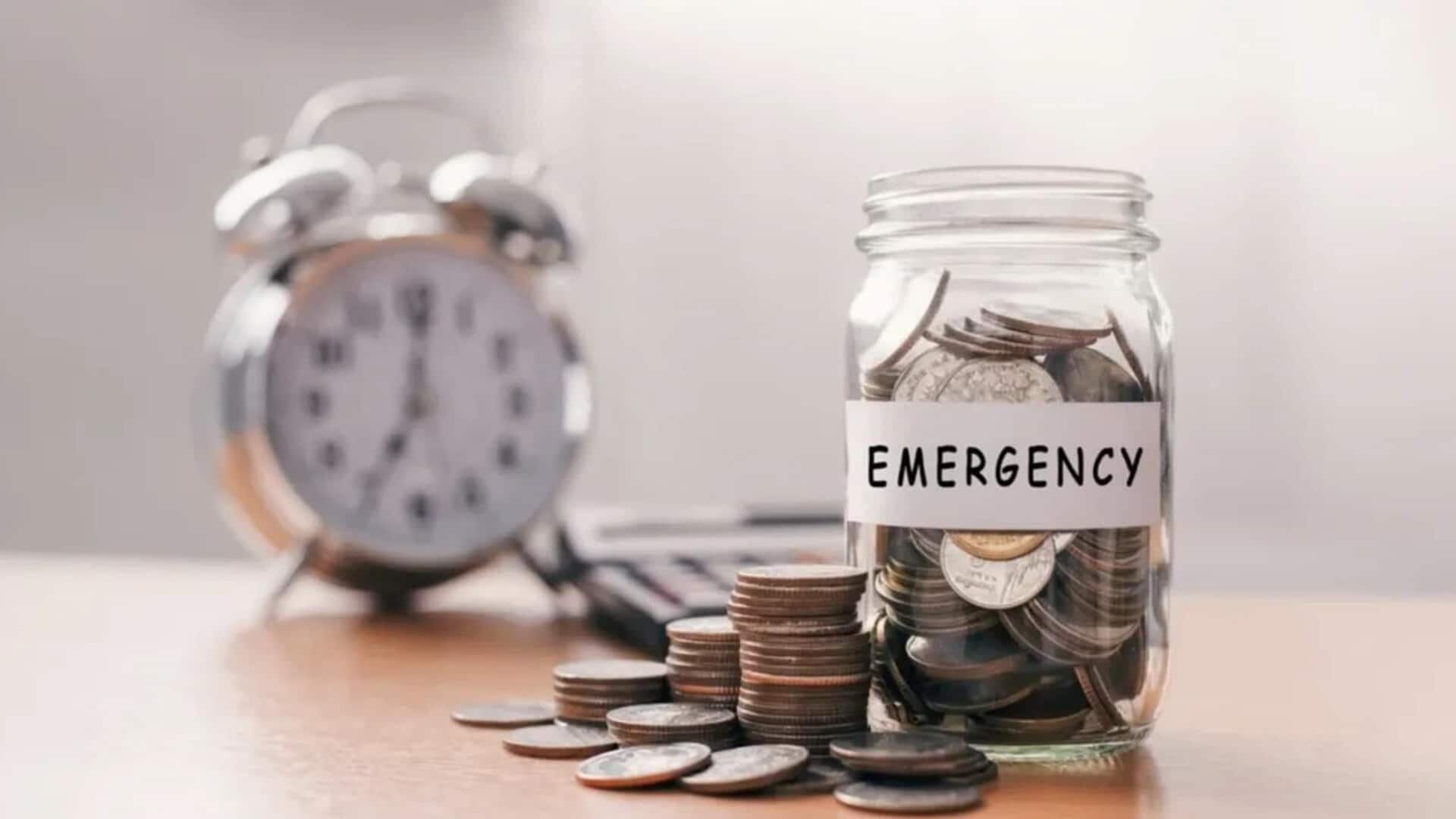
Don’t keep your cash, cards and passport in the same place.
If something gets lost, you don’t want to lose everything at once.
4. Inform Your Bank Before Travelling

If you plan to use a credit or debit card abroad, make sure international transactions are enabled.
Also save your bank’s international customer-care number.
Final Word: Don’t Let Money Become a Travel Problem
Your international holiday should be about exploring new places, trying new food and making unforgettable memories. The last thing you want is to spend your trip worrying about how you will pay.
Carry some cash, one reliable backup card and a suitable forex card.
Plan your money before you fly, understand the charges and keep your payment options separate.
Because when your travel money is planned smartly, you can spend less time worrying about payments and more time enjoying the journey.
Travel smart. Spend smart. Explore more.