Your first international trip feels exciting… until someone suddenly asks: “Have you sorted your forex?” And honestly, most first-time travellers freeze right there. Forex sounds complicated. Exchange rates feel confusing. Some people say carry cash. Others say use cards. Then someone warns you about airport exchange counters charging too much. Too much information. Too much confusion. But here’s the truth — understanding how forex works is actually pretty simple once someone explains it in normal language.
So if you’re travelling abroad for the first time, this guide will help you understand everything step by step without making your head spin.
First Things First — What Is Forex?

Forex simply means foreign currency exchange. When you travel from India to another country, Indian Rupees usually won’t work there. You need that country’s currency.
For example:
- Going to Thailand? You need Thai Baht.
- Going to Dubai? You need UAE Dirham.
- Going to Europe? You need Euros.
The process of converting Indian Rupees into another country’s currency is called forex exchange. That’s it. Nothing scary.
Why Do Exchange Rates Keep Changing?
:max_bytes(150000):strip_icc()/GettyImages-2175515518-7ea8caae88c148c68cbe1f87d68b80fd.jpg)
This is where most people get confused while learning how forex works. Currencies don’t have fixed prices. Their value changes daily based on global demand, economy, politics, tourism, oil prices, and many other factors.
For example:
Today:
- ₹1 may equal 0.011 Euro
Tomorrow:
- ₹1 may equal 0.010 Euro
Even a small difference matters when you exchange a large amount.
That’s why travellers often keep checking rates before booking forex.
Cash, Forex Card, Or International Debit Card — What Should You Carry?
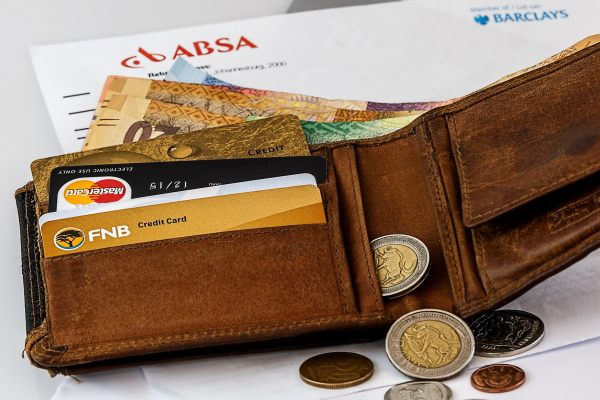
This is probably the biggest question first-time travellers ask. The smart answer? Carry a mix of everything.
1. Foreign Currency Cash
Always carry some cash for:
- Local taxis
- Small shops
- Tips
- Emergency situations
But don’t carry huge amounts. It’s risky.
2. Forex Card
A forex card is honestly one of the safest options for international travel. It works almost like an ATM or debit card, but you load foreign currency into it before travelling.
Benefits:
- Safer than carrying cash
- Better exchange rates
- Easy to reload
- Accepted internationally
- Helps control spending
Most experienced travellers now prefer forex cards because they make international spending simple and stress-free. Understanding how forex works becomes much easier once you start using a forex card.
3. International Debit/Credit Card
These work too, but banks usually charge:
- International transaction fees
- Currency conversion charges
- ATM withdrawal fees
So they’re good as backup options, not your main spending method.
Should You Exchange Money At The Airport?
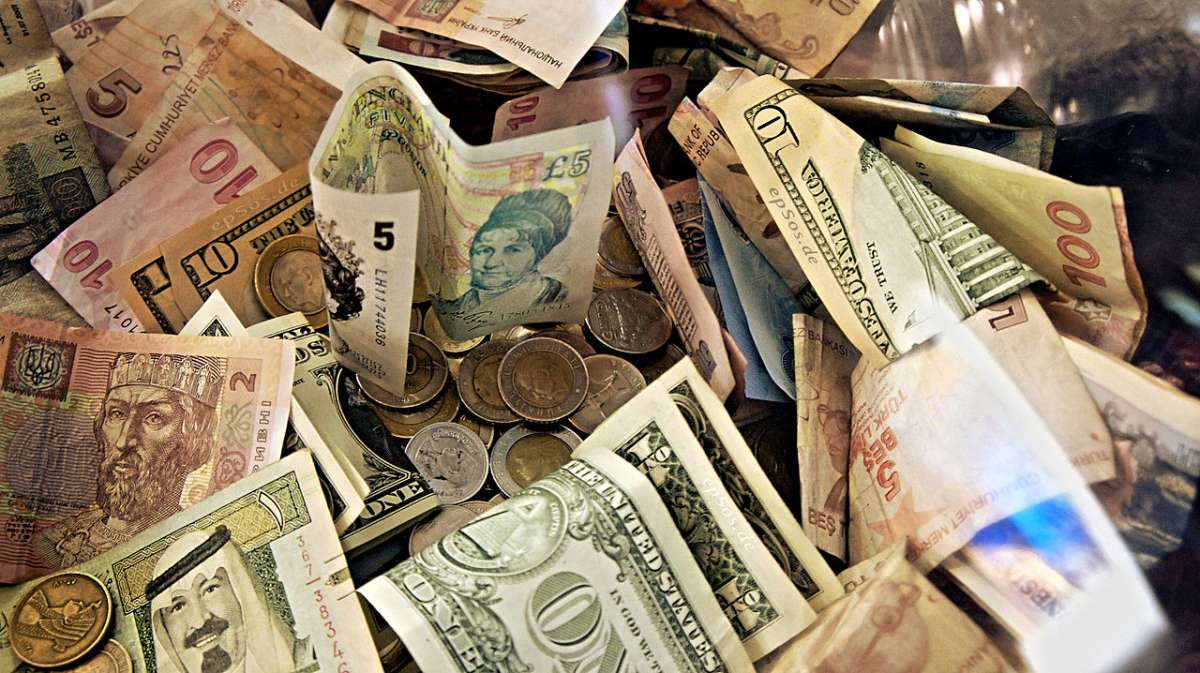
Short answer? Mostly no.
Airport forex counters are convenient, but their exchange rates are usually higher. You often end up paying more without realizing it.
It’s always smarter to:
- Book forex before your trip
- Compare rates online
- Exchange currency through trusted forex companies
This small step can actually save a good amount of money.
How Much Foreign Currency Should You Carry?
There’s no one perfect answer.
It depends on:
- Your destination
- Number of travel days
- Shopping plans
- Hotel inclusions
- Local transport expenses
But generally:
- Carry some cash
- Keep most funds in a forex card
- Keep one international bank card as backup
That’s the safest setup for first-time travellers.
What Is A Forex Markup Fee?
Now this is something many people notice only after returning from the trip. Whenever you swipe a normal Indian debit or credit card internationally, banks may add a “markup fee.” This is basically an extra charge for converting currency. Sometimes it looks small — 2% or 3%.
But during an entire trip?
It can become expensive.
This is another reason why people prefer forex cards while learning how forex works for international travel.
Can You Use UPI Abroad?
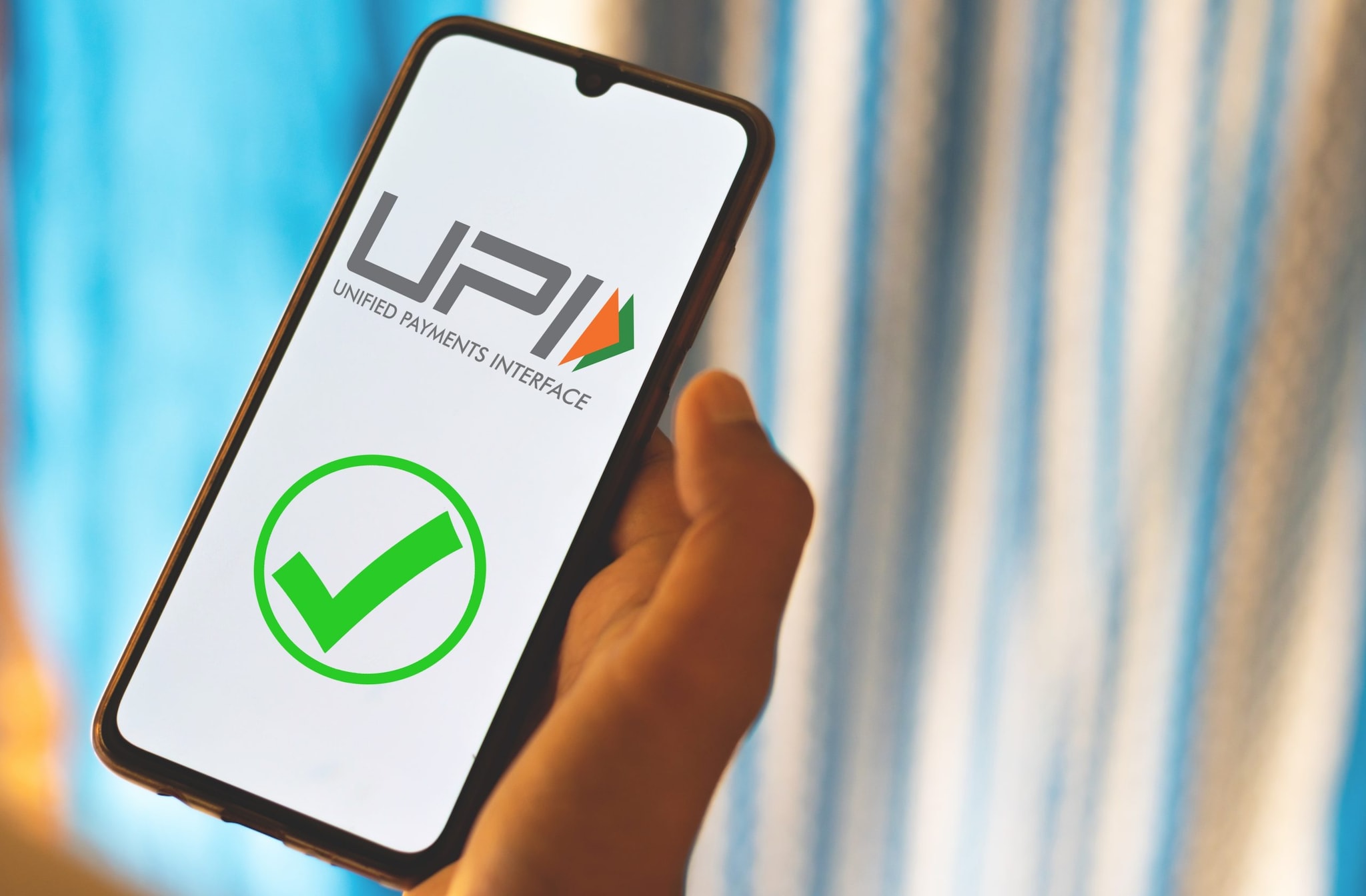
Interestingly, yes — in some countries.
Countries like:
- UAE
- Singapore
- France
- Nepal
- Sri Lanka
have started accepting limited UPI payments in selected places. But don’t depend fully on it yet. Always carry proper forex options because UPI availability still depends on the country and merchant support.
When Is The Best Time To Buy Forex?
:max_bytes(150000):strip_icc()/GettyImages-614338352-88945ca2677546bd9a874e52aaf80d31.jpg)
Many travellers wait till the last minute. Big mistake. Exchange rates can fluctuate anytime.
Smart travellers usually:
- Start checking rates 1–2 weeks before travel
- Buy forex gradually if rates look good
- Lock rates early through forex companies
This helps avoid sudden price jumps. Understanding timing is also an important part of learning how forex works.
Common Forex Mistakes First-Time Travellers Make

Let’s save you from the usual disasters.
1. Exchanging Everything At The Airport
Convenient? Yes. Cheap? Usually not.
2. Carrying Only Cash
Risky and stressful.
3. Depending On One Card
Always keep backup payment options.
4. Not Informing Your Bank
Sometimes banks block international transactions if they look suspicious. Always activate international usage before travelling.
5. Ignoring Hidden Charges
ATM fees, conversion charges, markup fees — small things add up quickly.
Is Forex Really Complicated?
Honestly? Not at all. People make it sound difficult because of technical words. But once you understand:
- Currency exchange
- Forex cards
- Exchange rates
- International spending fees
everything becomes much simpler. And after your first international trip, you’ll probably handle forex like a pro. That’s usually how it goes.
Final Thoughts
Your first foreign trip should feel exciting — not stressful because of money confusion. Learning how forex works before travelling can save you from:
- Overpaying
- Panic situations
- Hidden bank charges
- Currency mistakes abroad
The smartest approach is simple:
- Carry some foreign cash
- Use a forex card for most expenses
- Keep backup cards
- Exchange currency before your trip
That’s it. No complicated finance knowledge needed. No confusing banking terms. Just smart planning… and a much smoother trip ahead.